Flood Relief · Progress Update

Standing together for Nepal.

We would like to give our deep thanks for your donations. We take very seriously your trust in us for managing your act of giving. Right now our beloved Nepal has caught the eyes of the whole world, and not for the reason we would like. We hope soon the conversation can return to the amazing landscapes, the warm heartfelt people, and the deep, rich culture. If you have plans to visit Nepal, don't cancel them. The country is totally safe, the Trishuli river is now being closely monitored, and the economy could use your support more than ever.

We have just returned back from a successful trip to Trishuli, and this page tells the full story. Tomorrow we leave for Bidur, to visit the army camp and settlement there. For more moment to moment updates, please follow us on Instagram @universalloveig or check the updates section of our website.
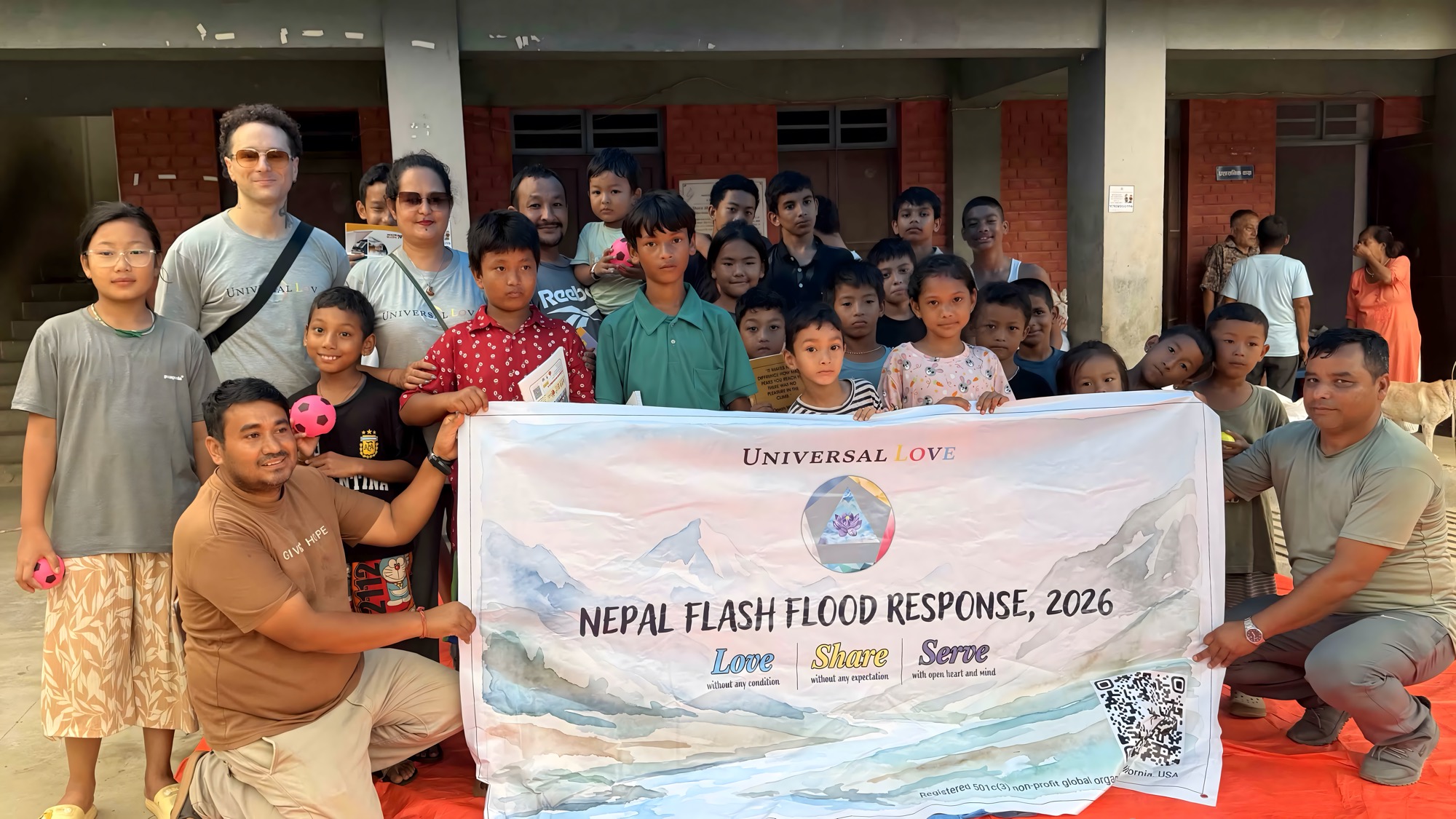
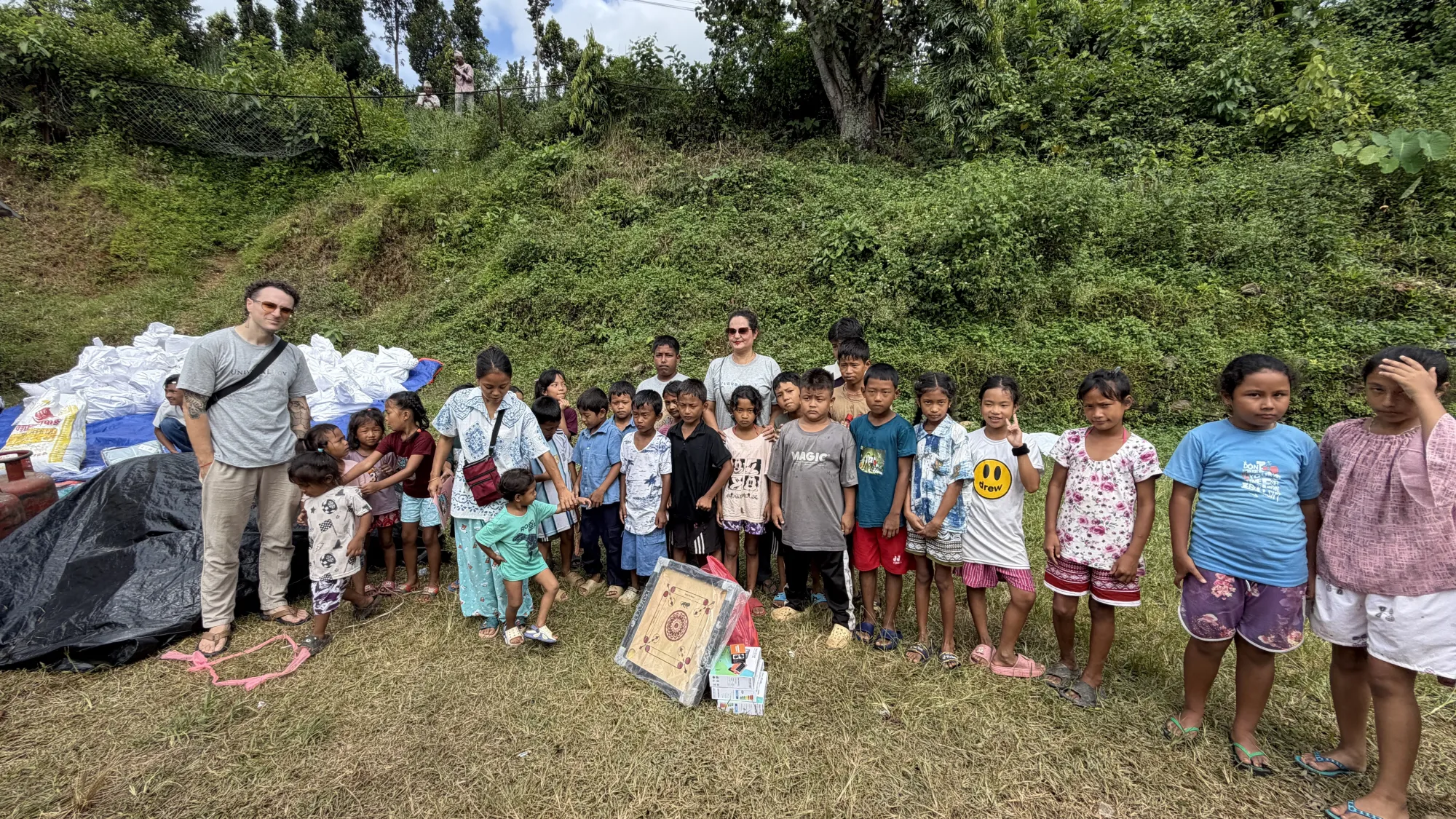
The Universal Love team with children at a flood relief distribution site
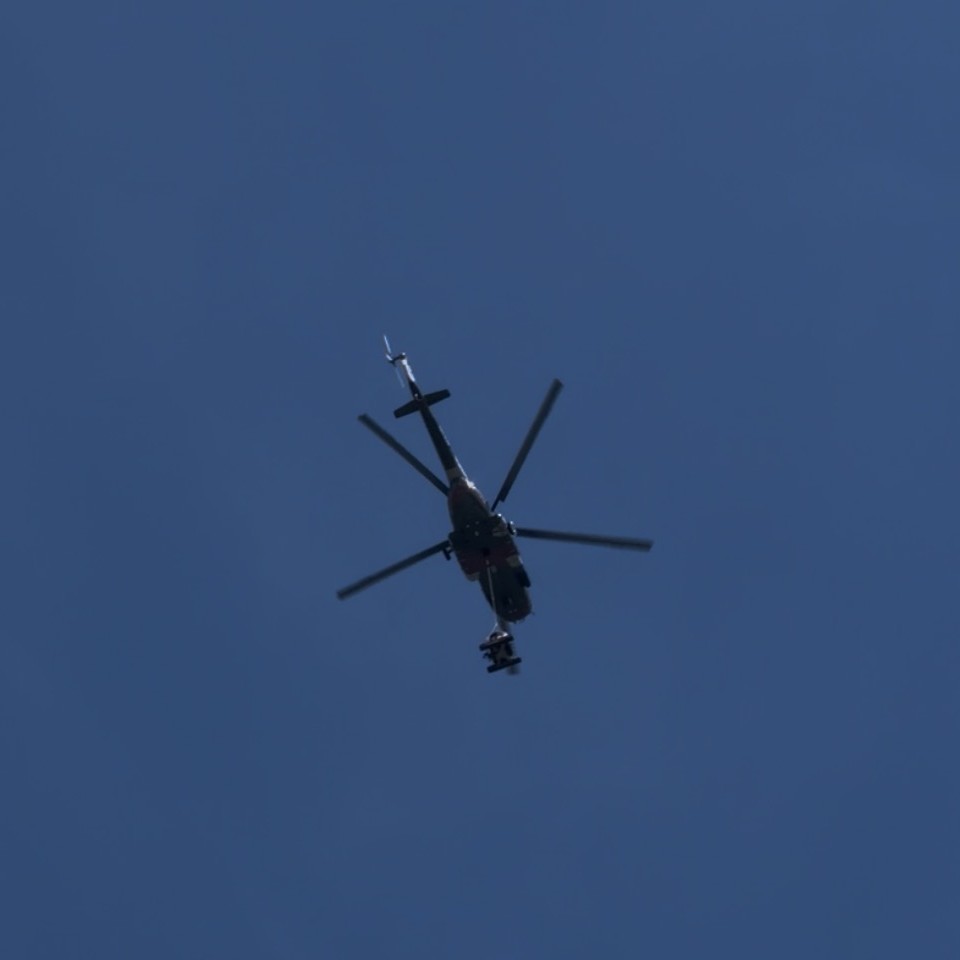
A rescue helicopter over the valley
A rescue helicopter over the valley.
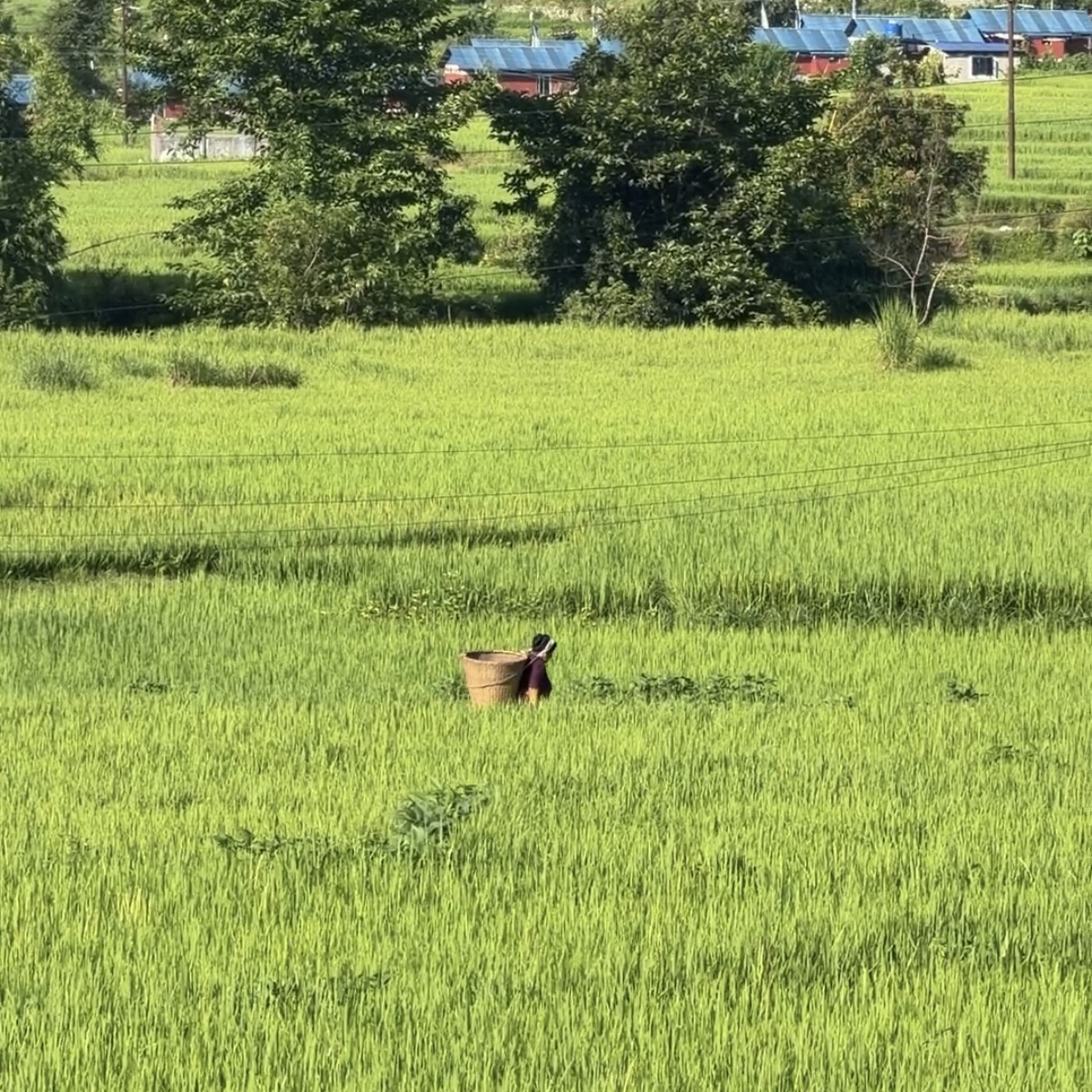
A local walks through untouched rice patties, just 100 meters up from the riverbed
A local walks through untouched rice patties, just 100 meters up from the riverbed.
What was actually needed?

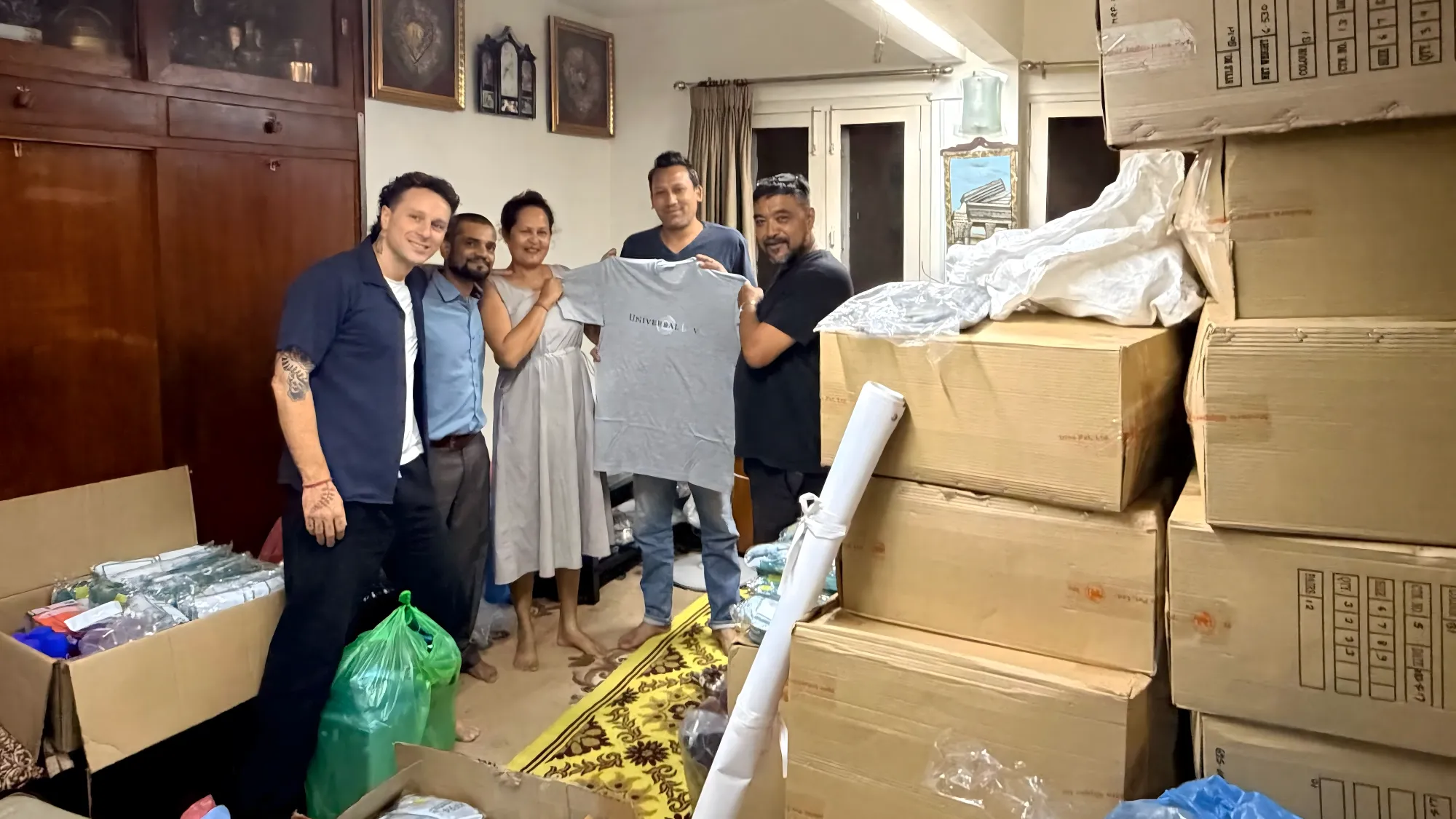
Preparing materials in Kathmandu.

At the time when we reached Kathmandu to prepare and plan, the information we were getting from the field was that there was sufficient food, sufficient clothing, and that it was advisable not to send more, as wastage was becoming a very real thing. We were advised to provide more tactical gear for the first responders, to provide solar gear for the holding centers, and to provide some basic day-to-day items, such as proper plates, utensils, and personal hygiene items.

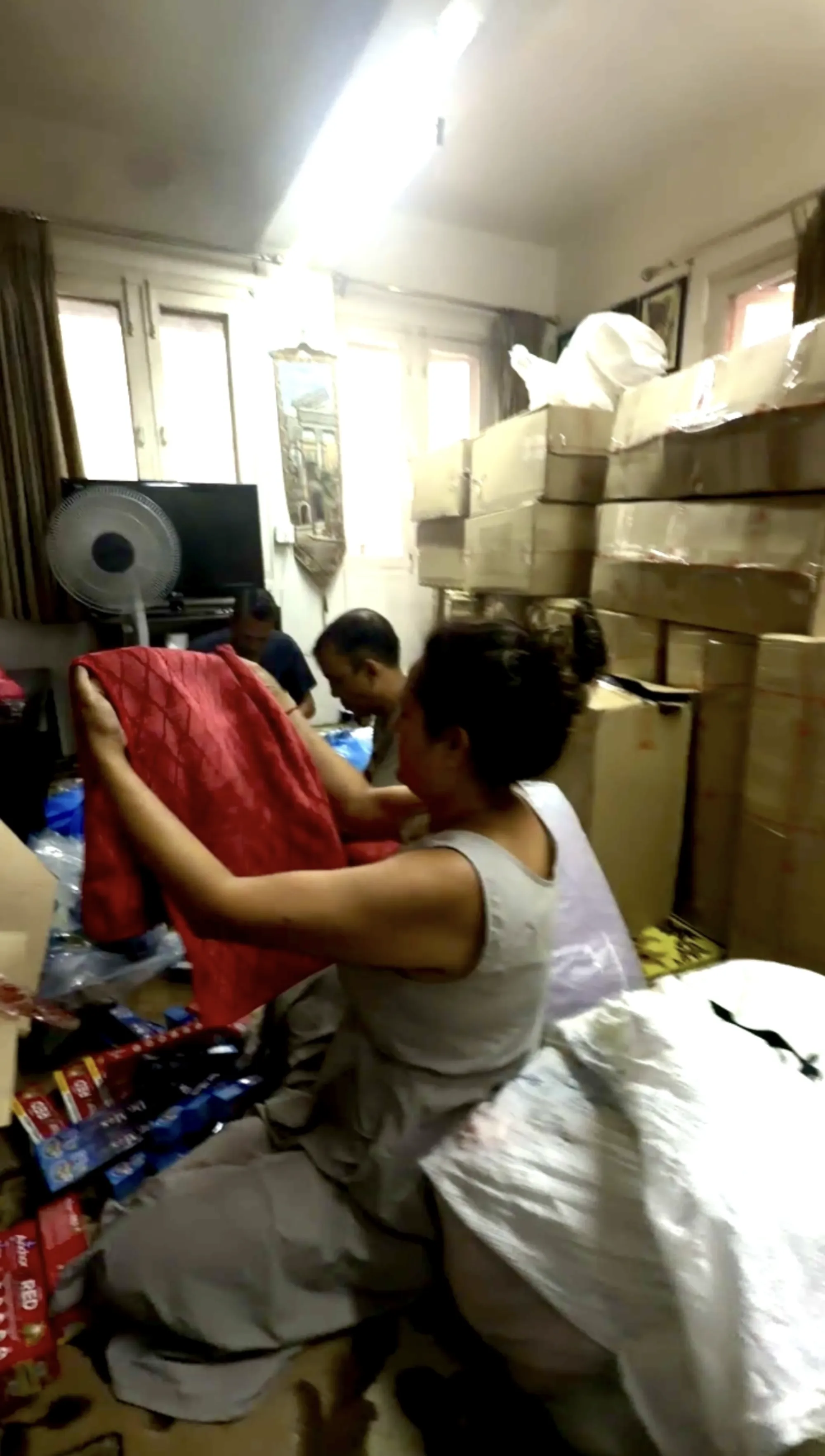
Unpacking and preparing supplies in Kathmandu
Unpacking and preparing supplies in Kathmandu.
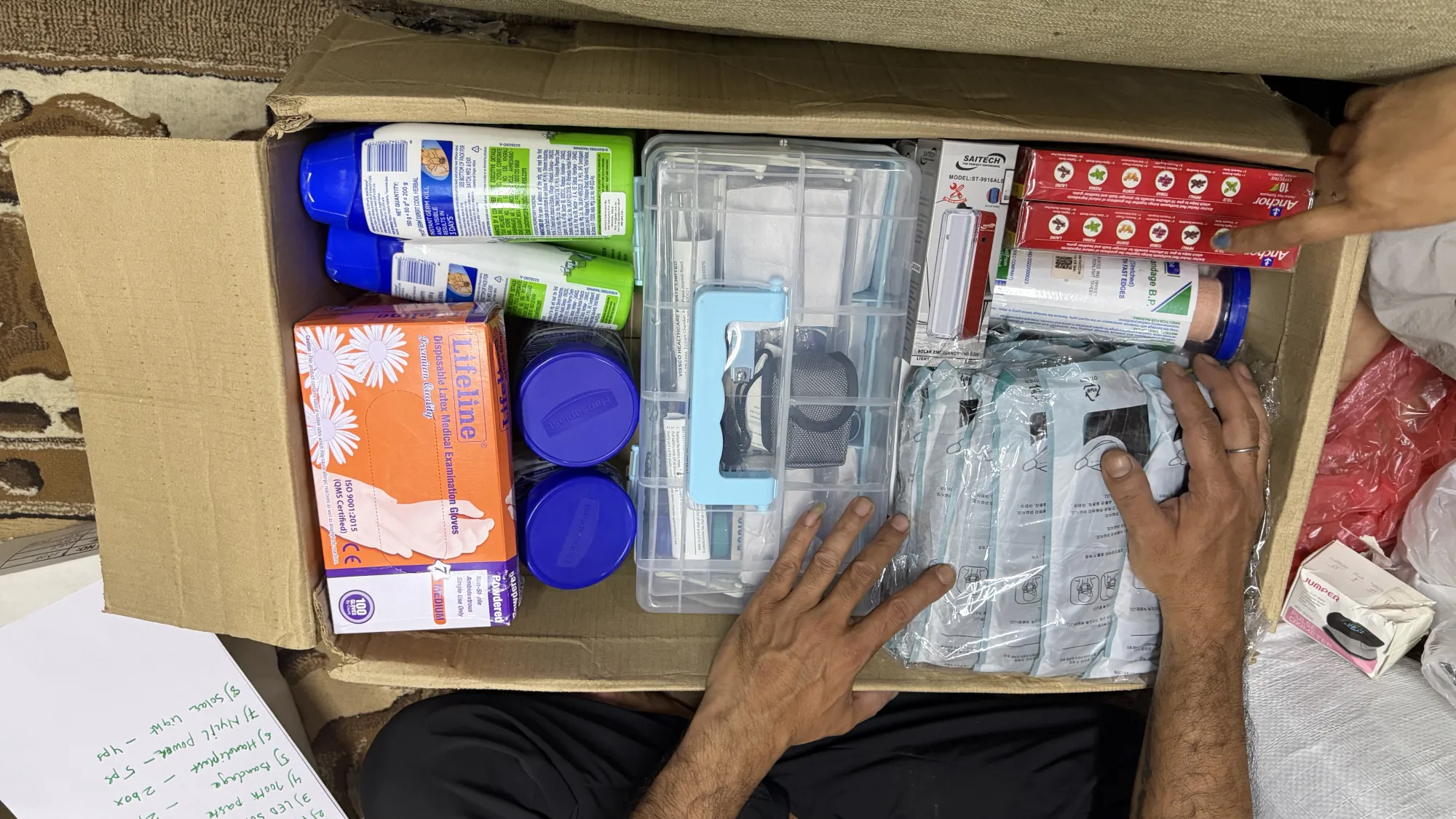
Sorting medical and solar supplies
Sorting medical and solar supplies.
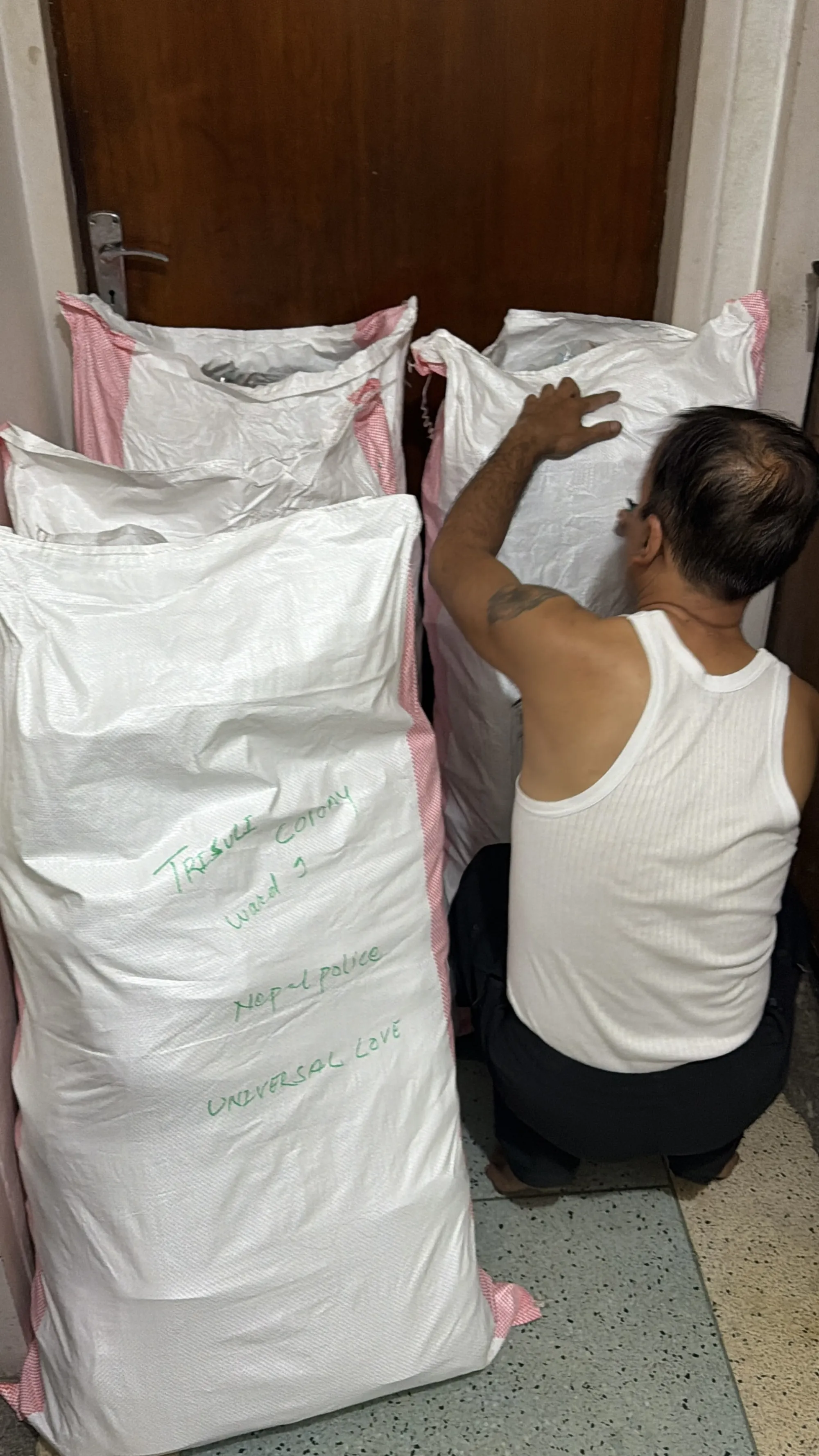
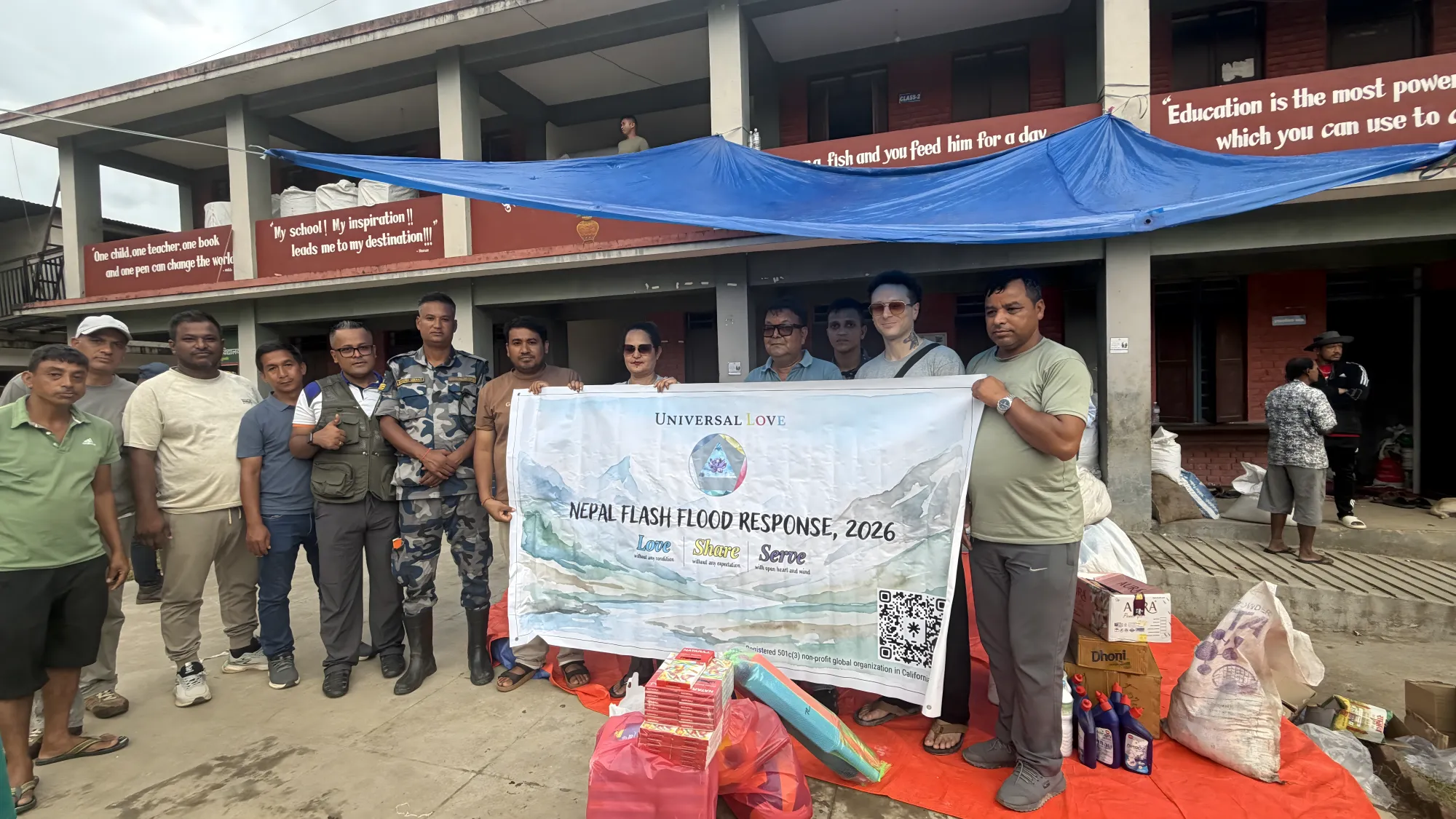
Supply bags labeled for Trishuli Colony Ward 3, Nepal Police, Universal Love
Supply bags labeled for Trishuli Colony Ward 3, Nepal Police, Universal Love.
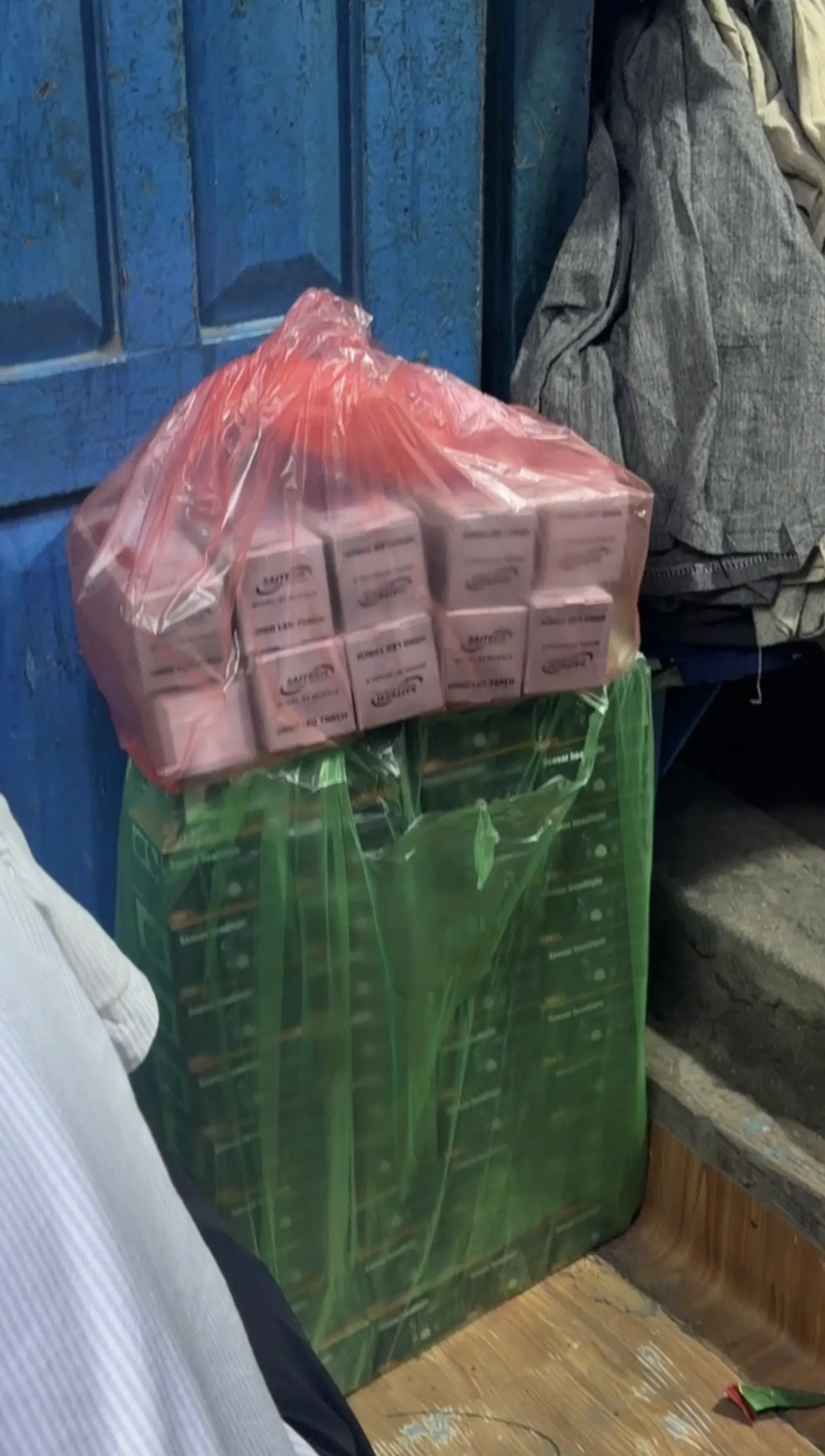
Solar lights packed for the holding centers
Solar lights packed for the holding centers.
Sorting donated goods in Kathmandu
Sorting donated goods in Kathmandu.
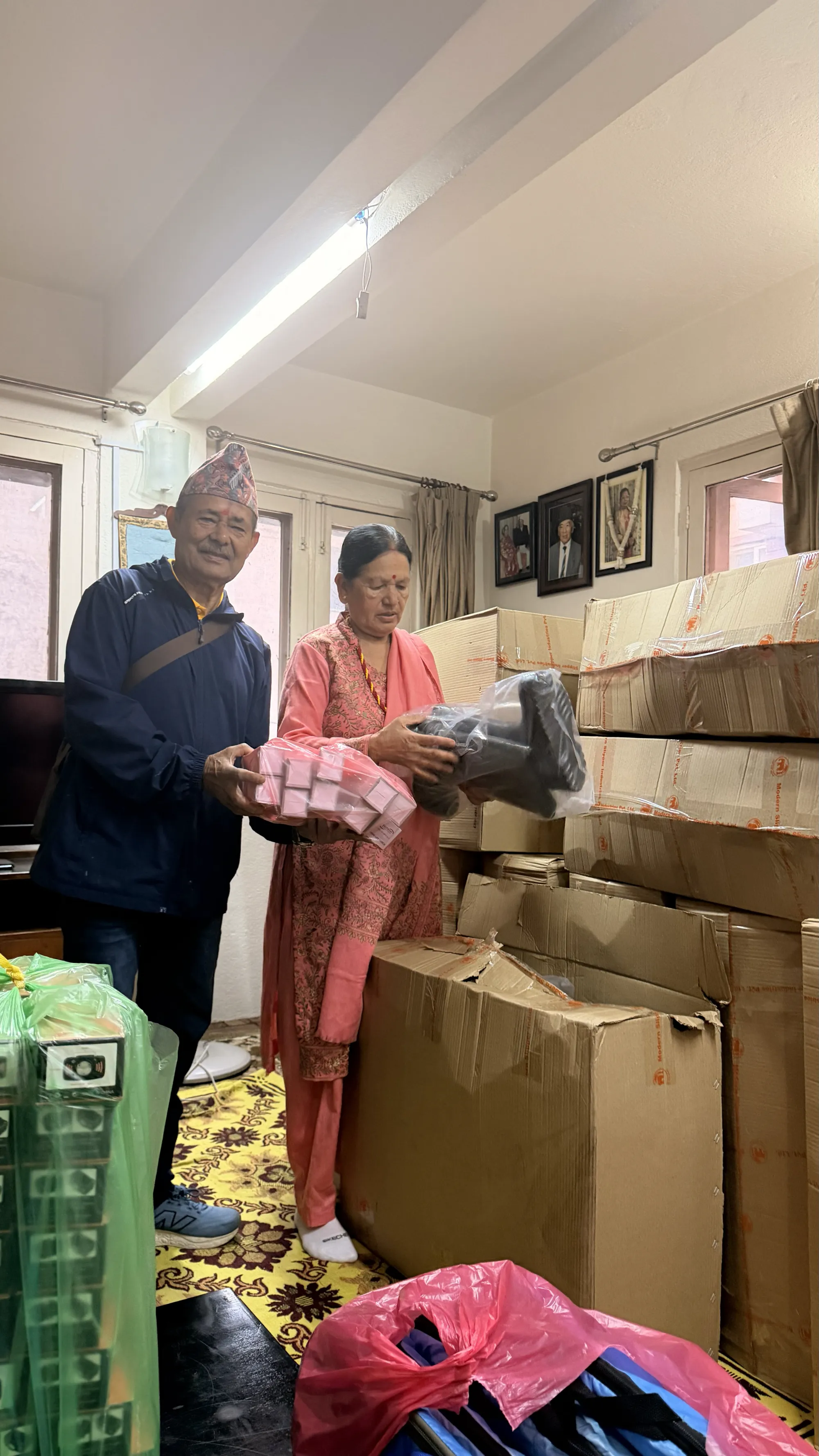
Mummy and Daddy packing supplies
Mummy and Daddy packing supplies.
The Long Journey to Trishuli

A reminder of the impact of infrastructure.

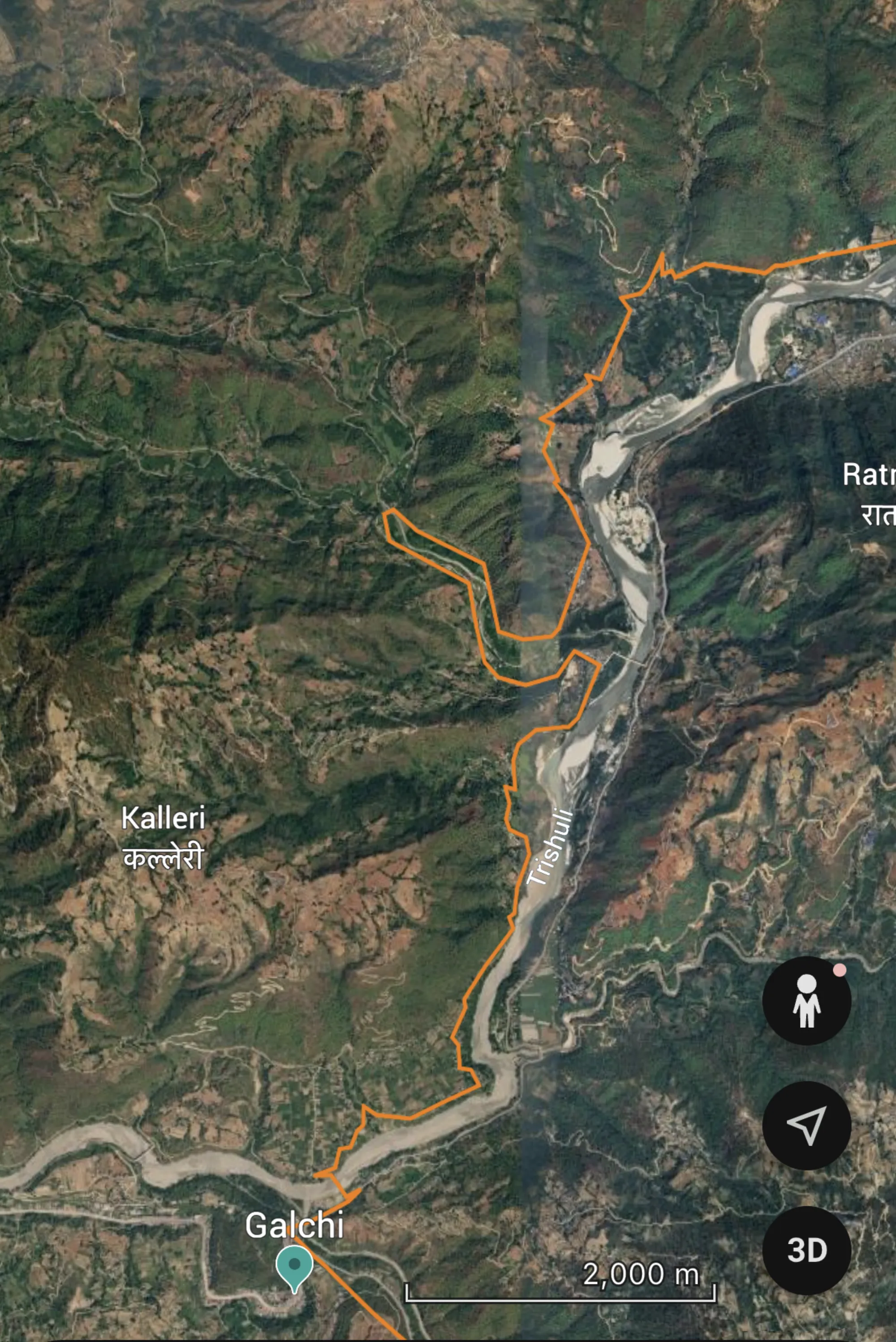
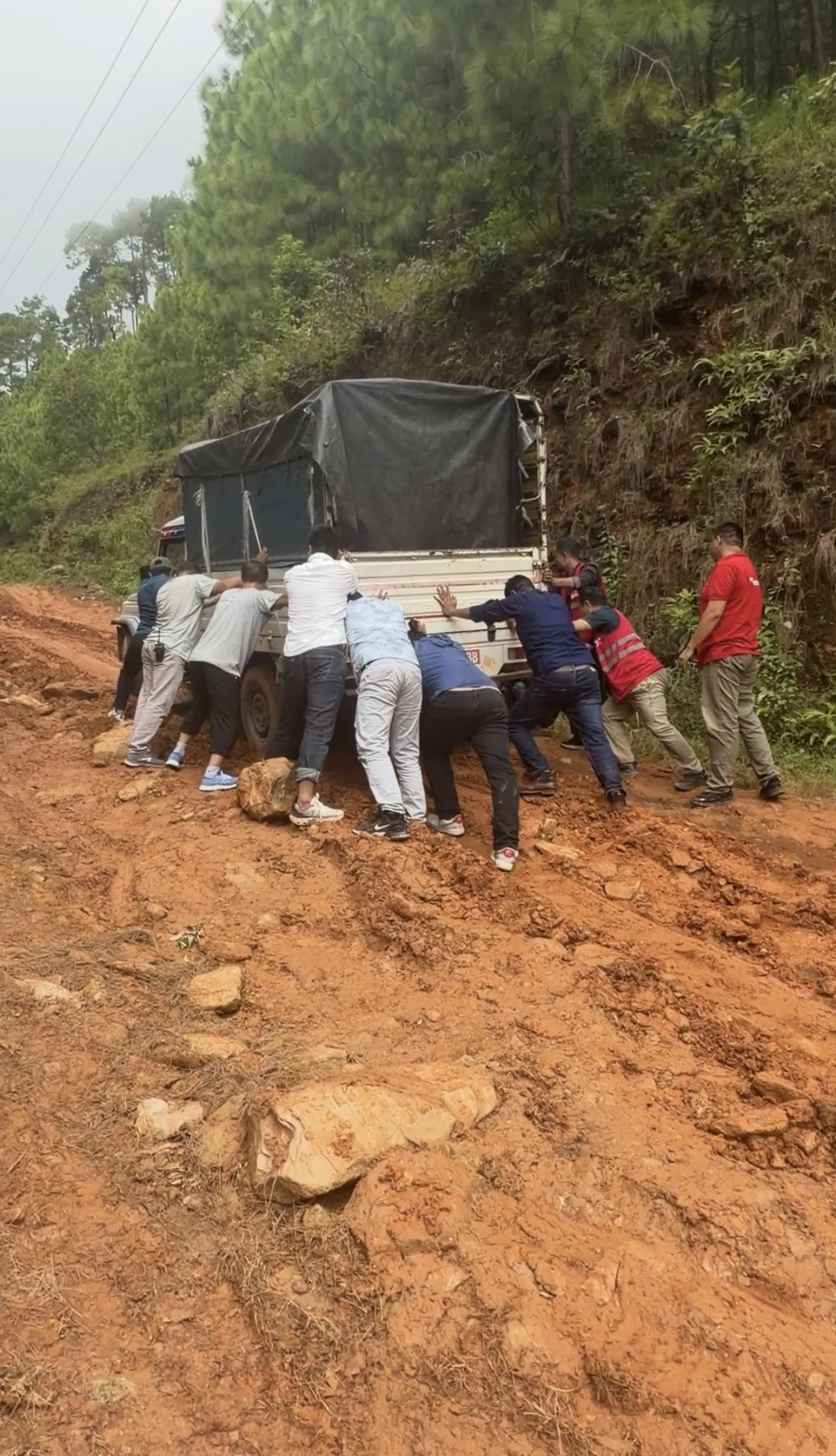
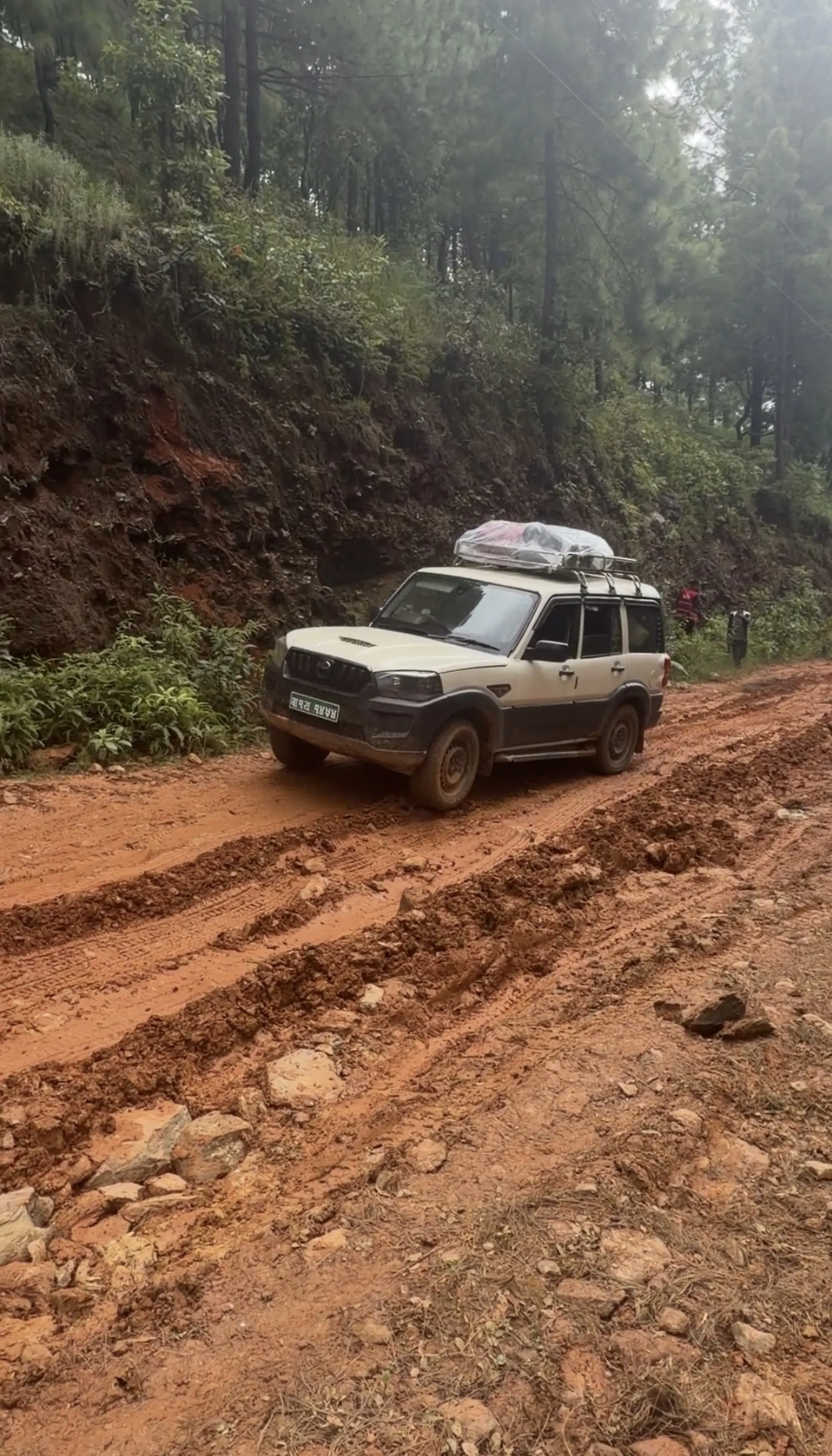
Since the main highways were broken due to erosion caused by high flood waters, only back roads are available for reaching the higher villages. In monsoon season, these back roads become full-on offroad courses, where a 4x4 is compulsory to navigate. What should take 2–3 hours easily becomes a 10 hour journey.

Map of the route along the Trishuli river
Map of the route along the Trishuli river.
Pushing a supply truck through the mud
Pushing a supply truck through the mud.
A 4x4 navigating the washed-out back road
A 4x4 navigating the washed-out back road.
Support for the first responders

Making sure to support those who are supporting everything else.

We collaborated with Goldstar, a local Nepal footwear brand, and were able to source 300 pairs of gum boots for first responders. Additionally, we got rain gear, headlamps, solar lights, PPE, sanitary supplies, and medical supplies for these teams.

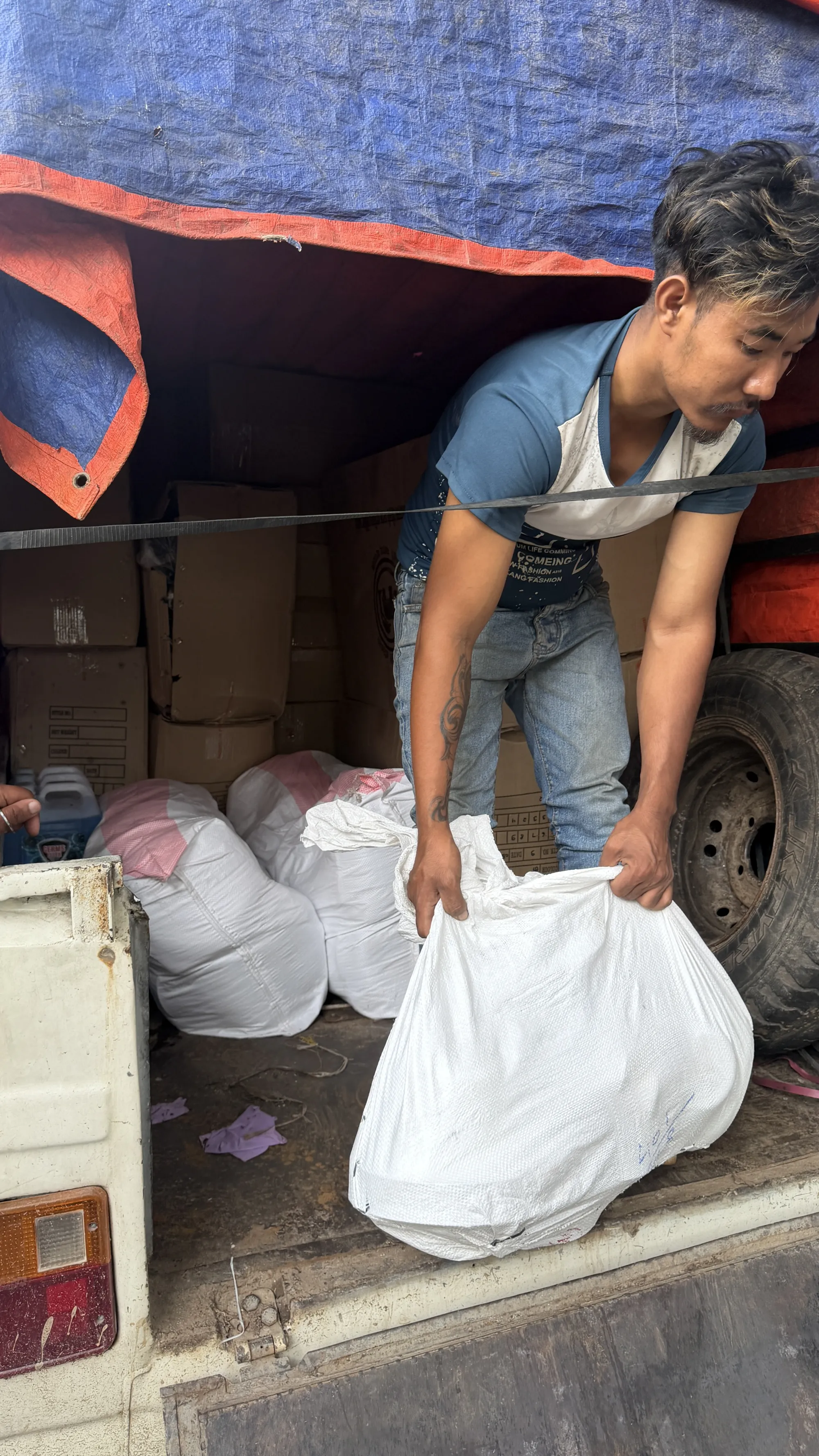
Loading supplies for the police drop-off
Loading supplies for the police drop-off.
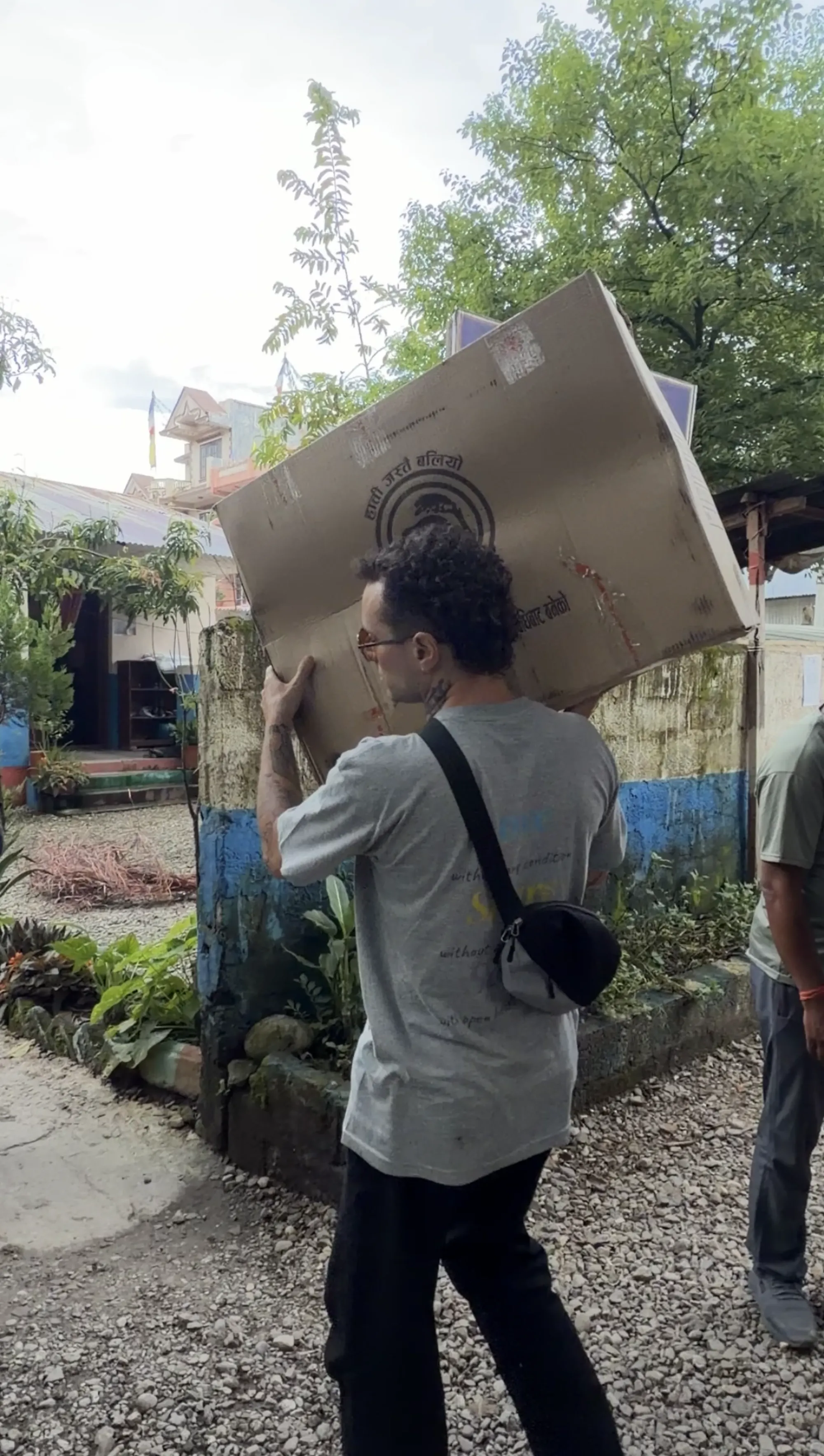
Carrying supplies to the drop-off point
Carrying supplies to the drop-off point.
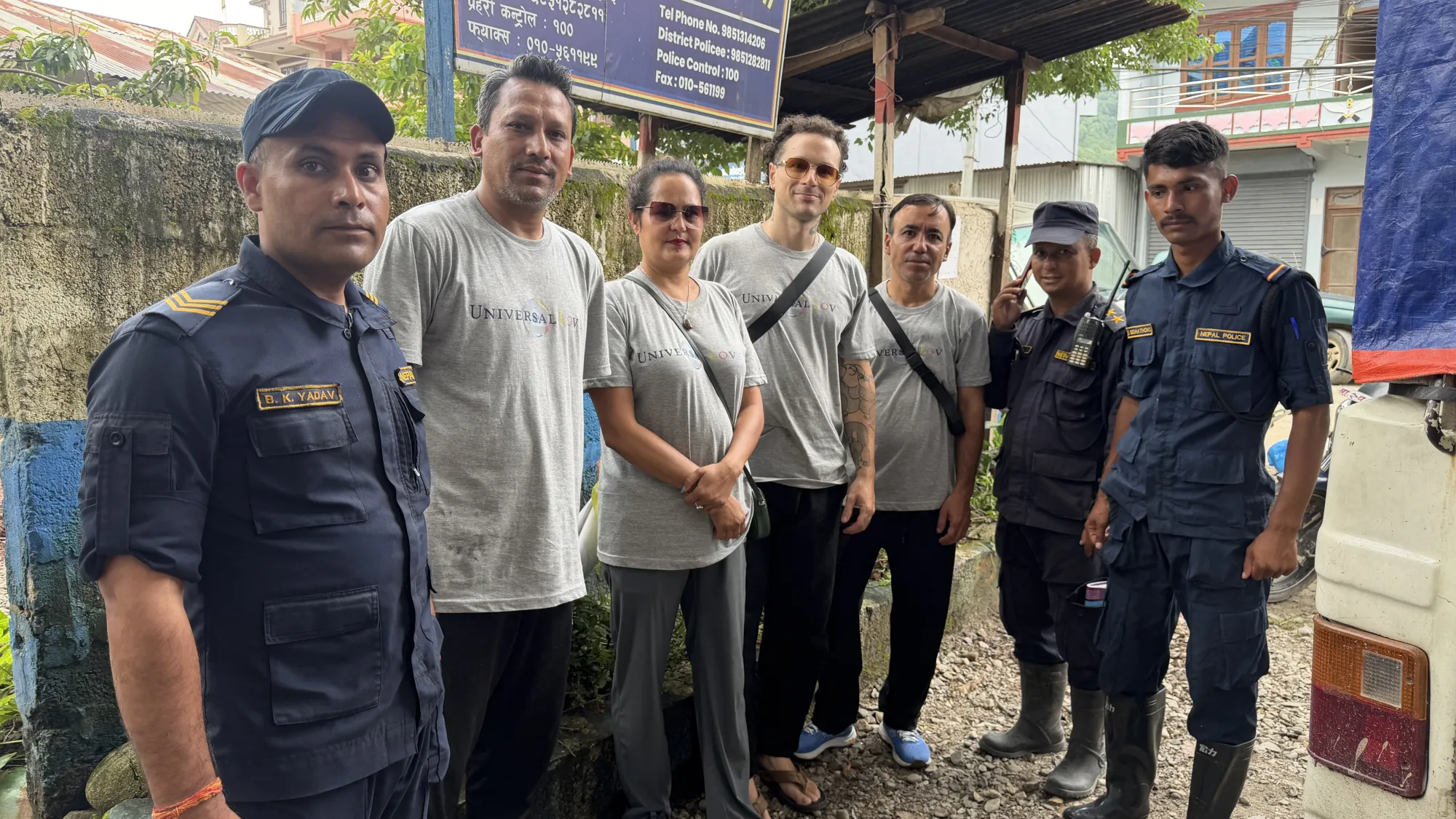
With Nepal Police at the district police station
With Nepal Police at the district police station.
Visiting the holding centers

What was missing wasn't on any list.

When we reached Trishuli and did our first drop-offs, we then went to the holding centers to see what the situation was. We spoke with the volunteer doctors and staff, and they confirmed that, in general, material supplies were sufficient and that the real lack was for psychological care. They expressed the difficulty in convincing trained psychologists to make the journey from Kathmandu, also stating that there was no immediate program set up to compensate them for their travel and for their lodging. Due to all these factors, it was almost impossible to convince anyone to come to the colony and treat the victims.

Standing with the staff running the holding center
Standing with the staff running the holding center.

Interacting with those victims directly made us realize that a more sustainable, longer-term plan was needed for these families and individuals, and that was going to take more planning and, ultimately, will probably require the approval of local government.

In general, our organization tries to feel on the ground, directly with the victims, to see what they need. We are not interested in just getting supplies off a list and dropping them at a drop-off location. For us, we want to go see, talk, and feel the situation directly, as sometimes what is needed is just giving time and lending an ear. We definitely felt that the time with these locals was fruitful.

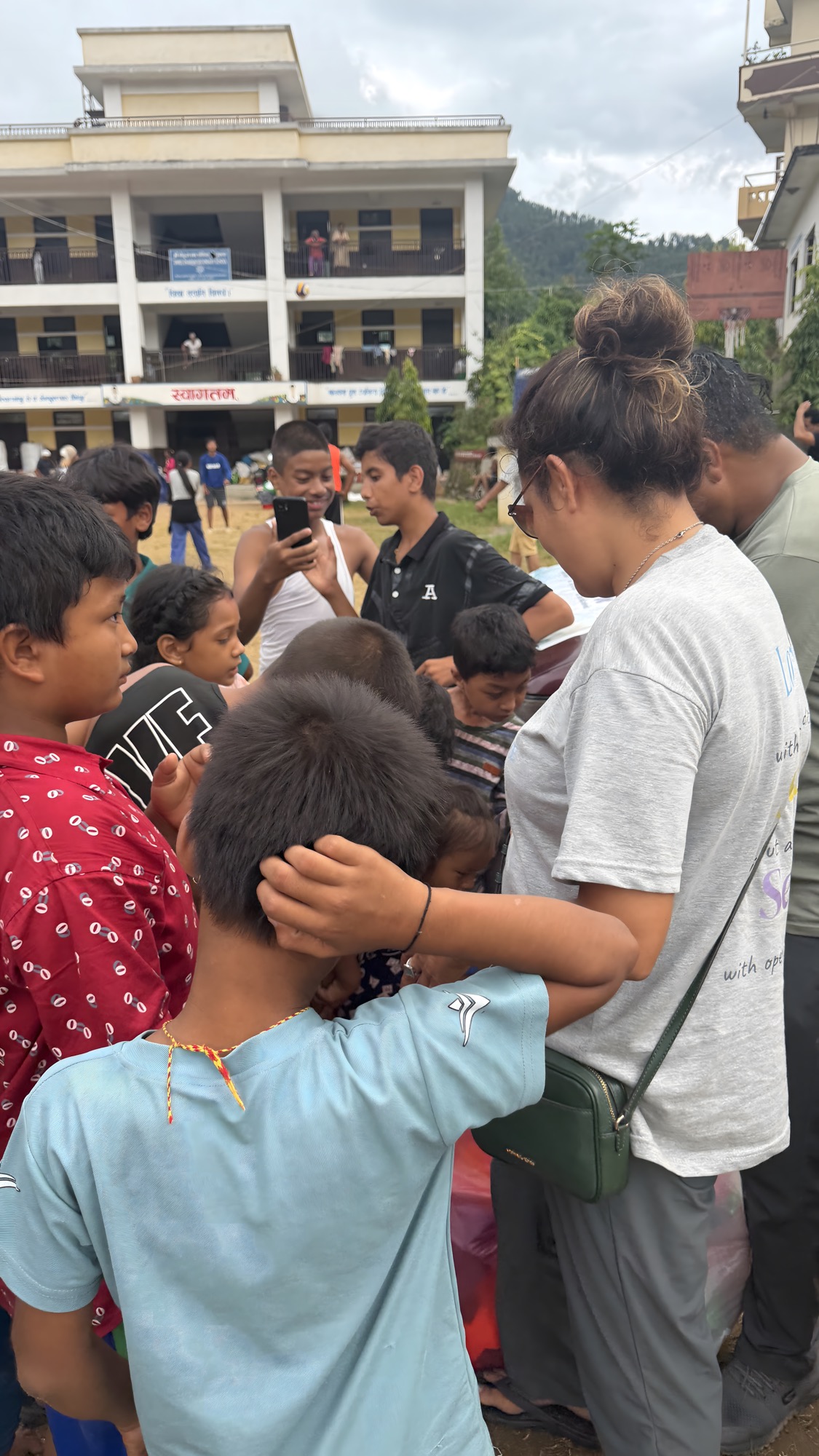
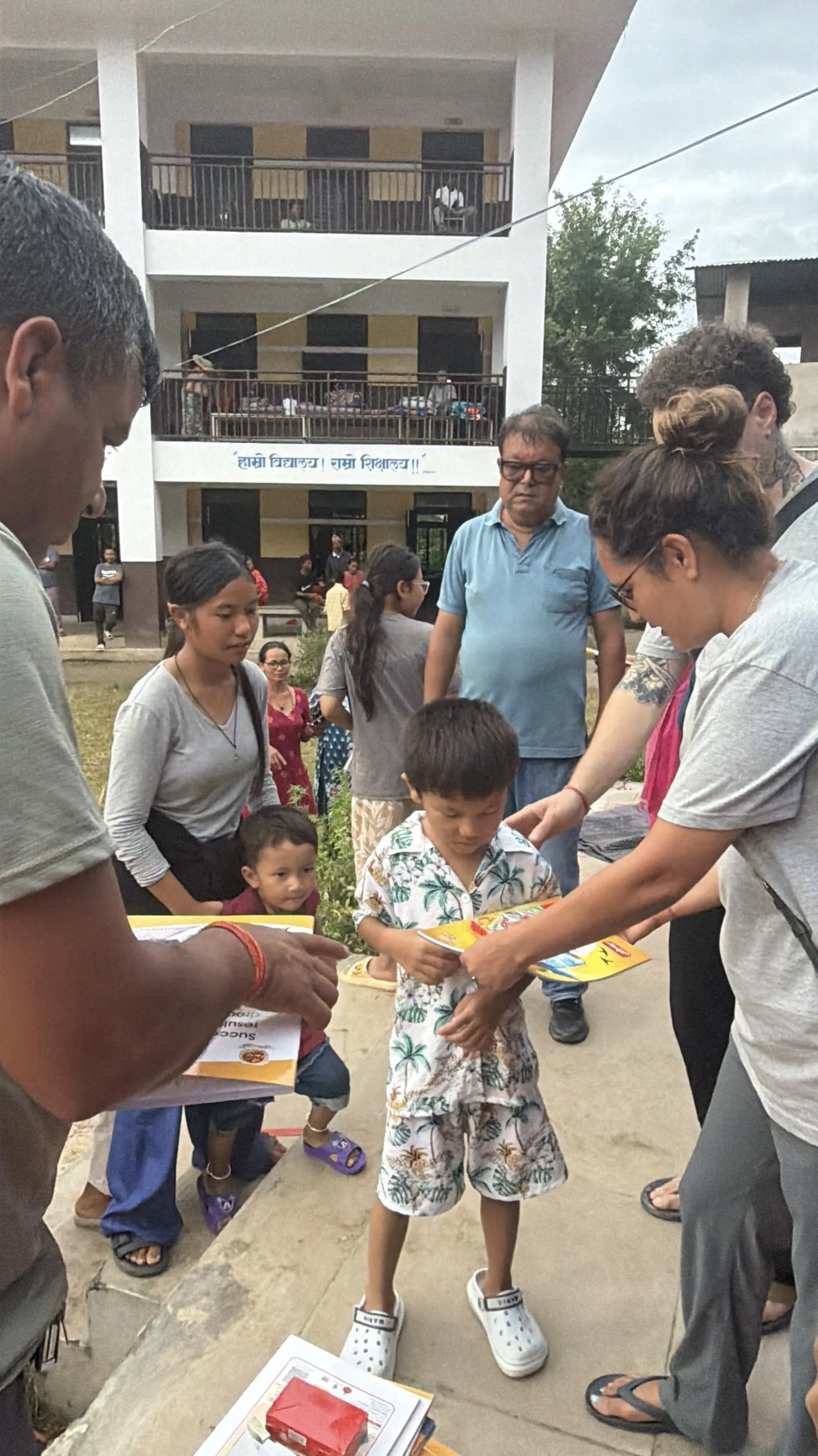
We also spent some time with the children in the holding centers, and we learned that they're mostly just bored. They might not be able to make so much sense of what's happening, but they all were willing to have more activities. We provided them with toys, sports equipment, as well as drawing and writing materials, so that they might be able to express themselves through writing and pictures.

Sajana with children at the holding center
Sajana with children at the holding center.
Standing with the children of the second holding center
Standing with the children of the second holding center.
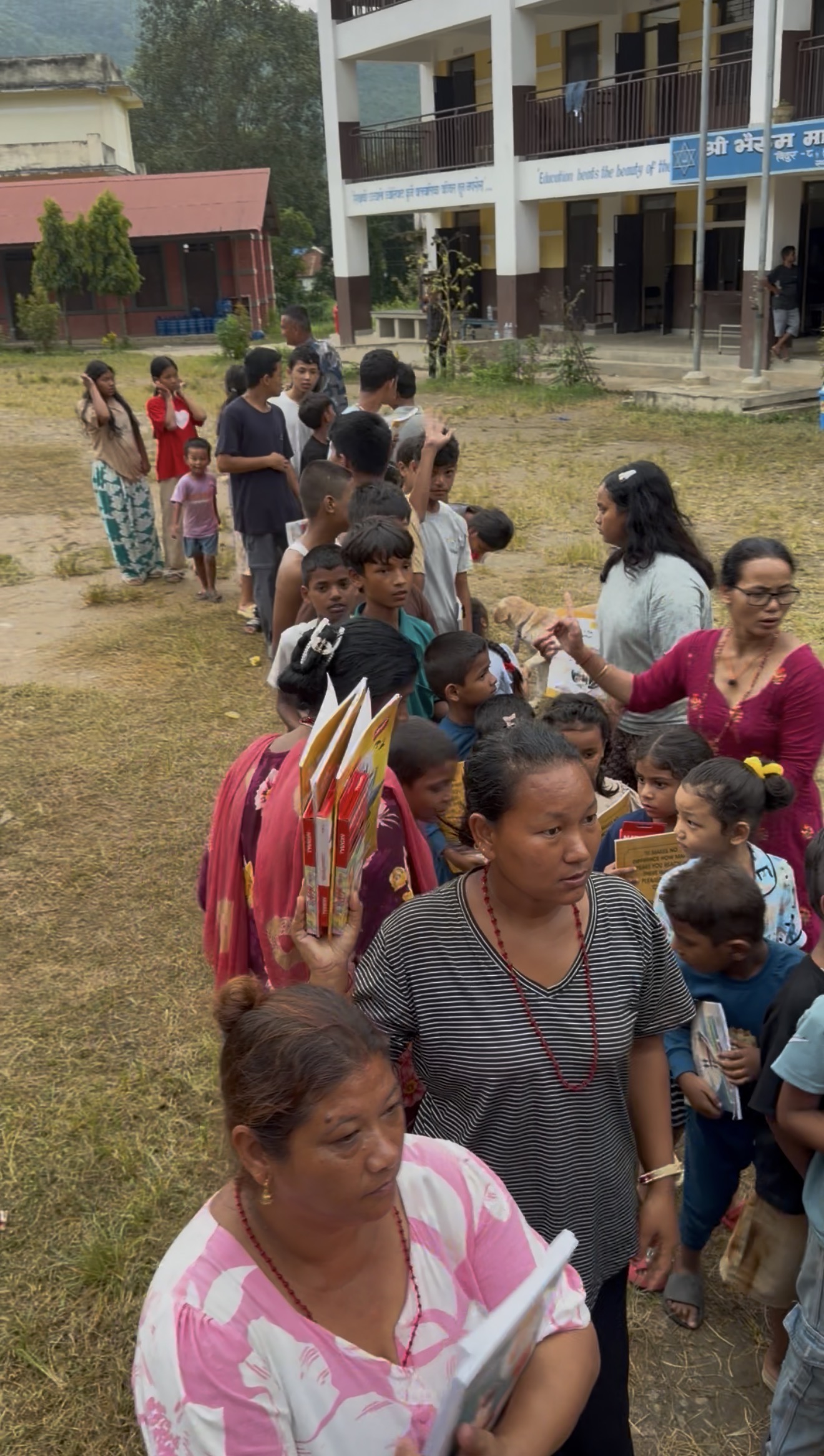
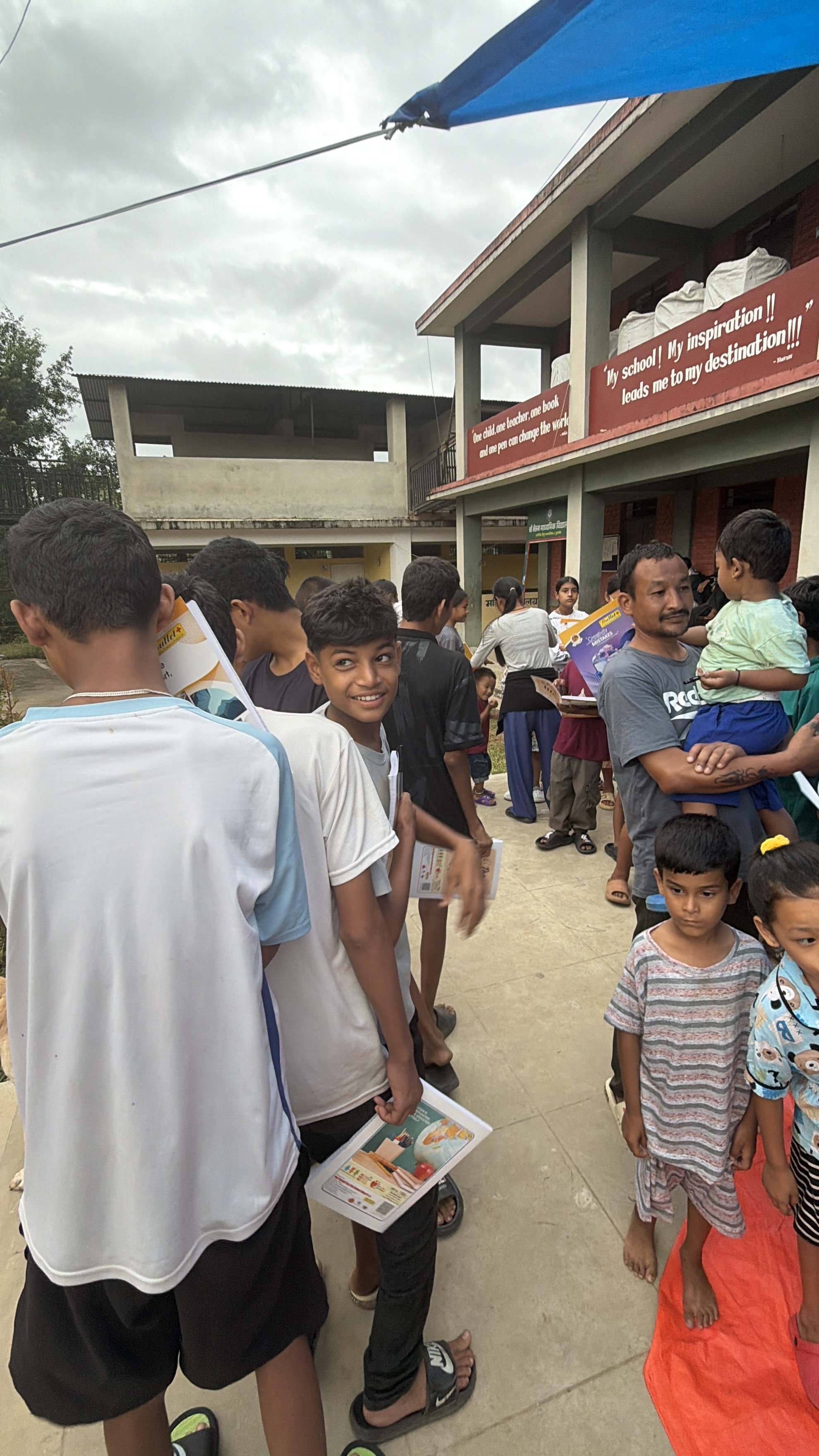
Children lined up with new workbooks
Children lined up with new workbooks.
Children receiving books and supplies
Children receiving books and supplies.
Handing out books and supplies to children
Handing out books and supplies to children.
Local Distribution

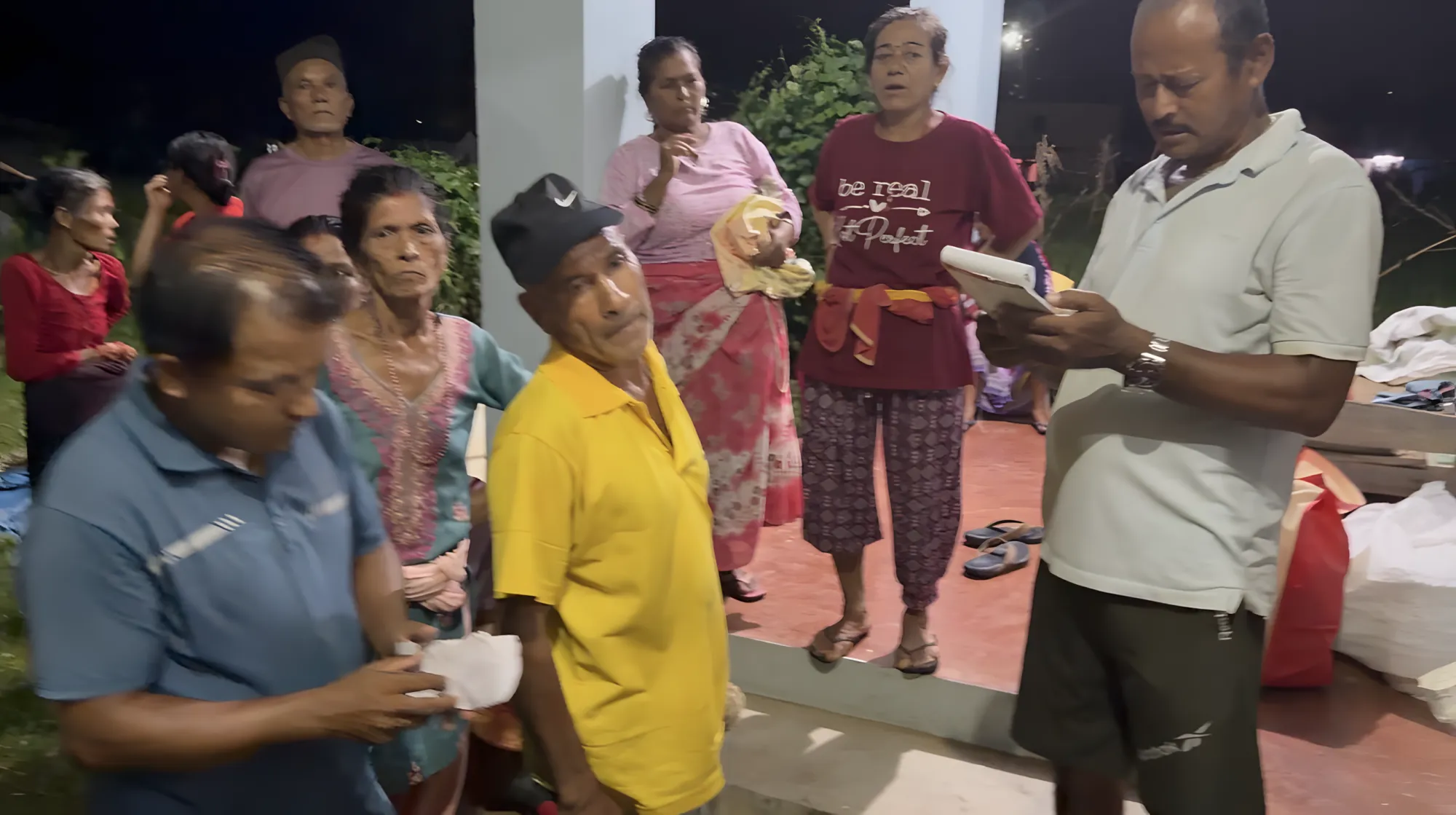
Registering families and handing out food.

A few more families came in later, and we were able to add them to the list and provide everyone with:

  • 30 kg of rice
  • 2 kg of dal
  • 2 kg of mixed beans
  • sugar
  • tea leaves
  • salt
  • electrolytes
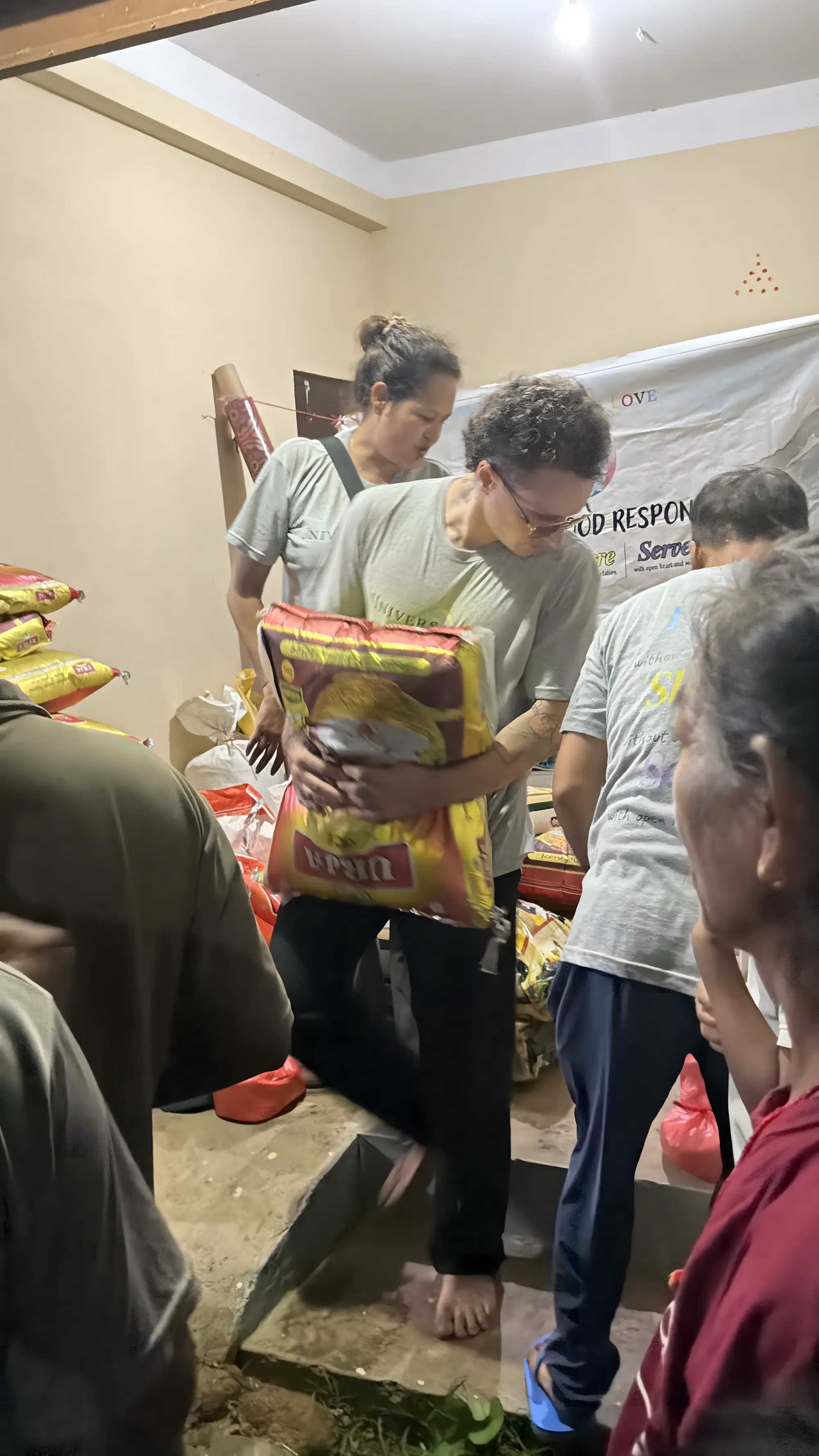
Distributing rice and supplies
Distributing rice and supplies.
Carrying supplies for distribution
Carrying supplies for distribution.
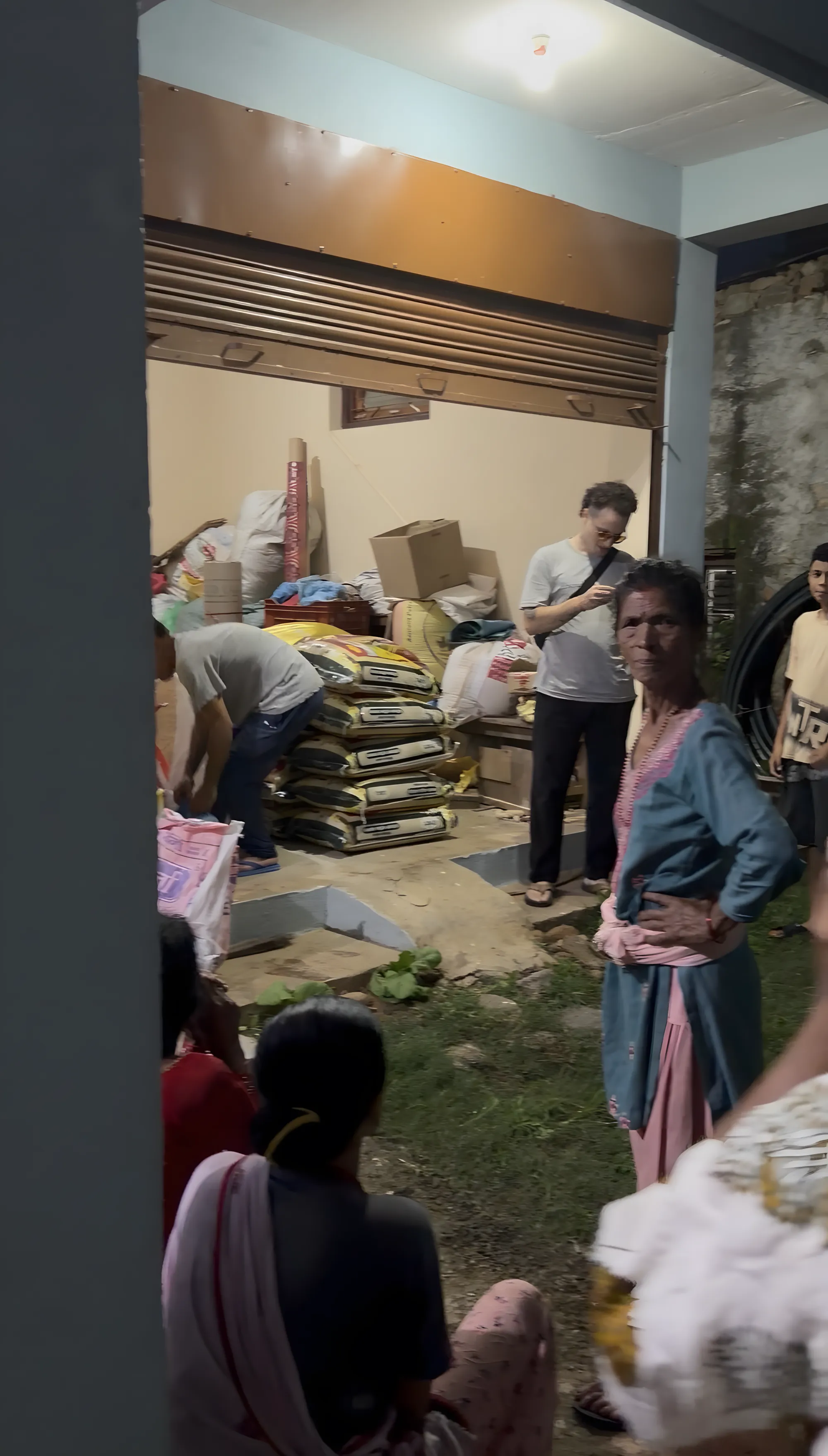
Registering families for distribution at night
Registering families for distribution at night.
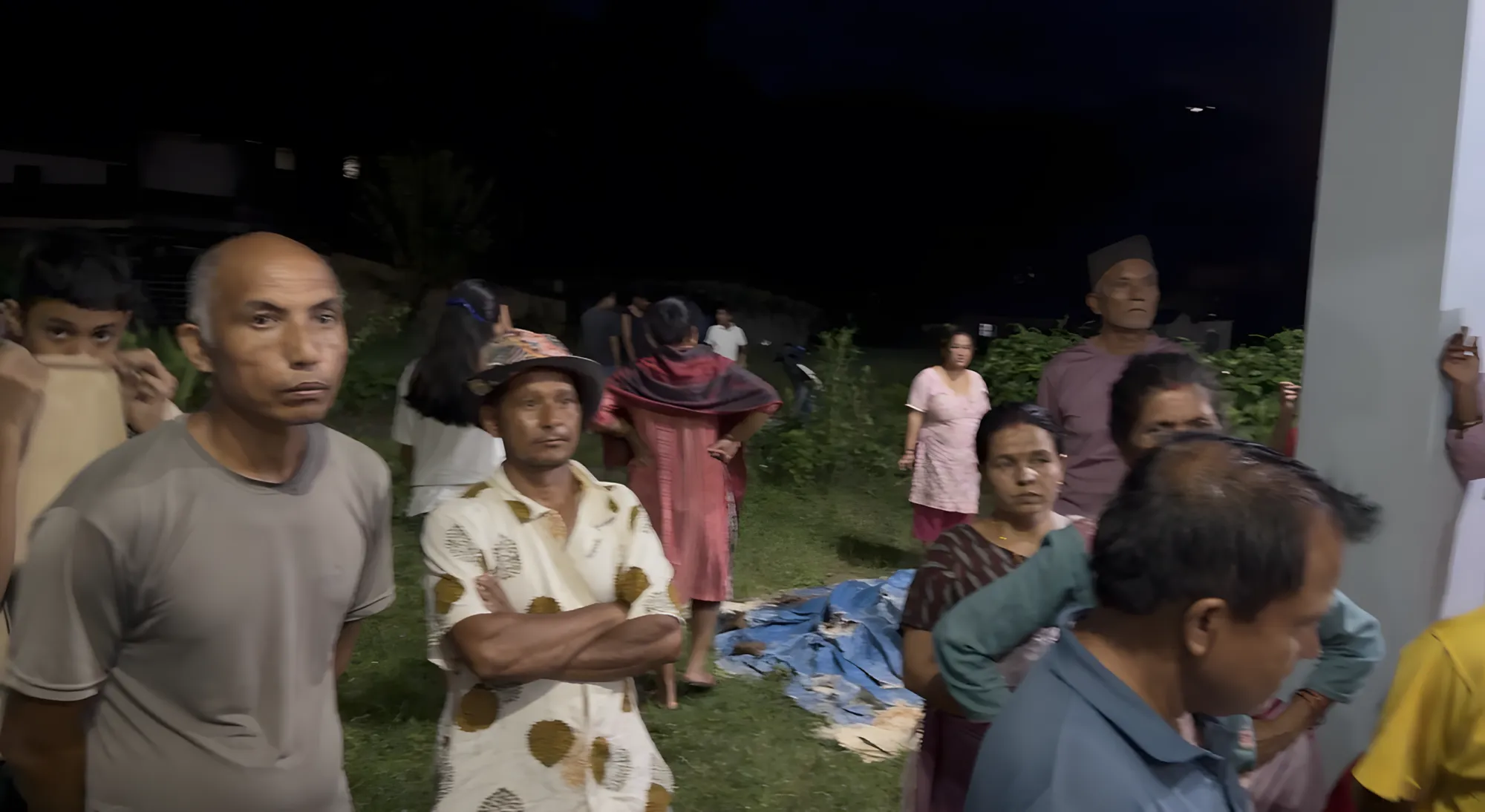
Families gathered for a nighttime distribution
Families gathered for a nighttime distribution.
Visiting the riverbanks

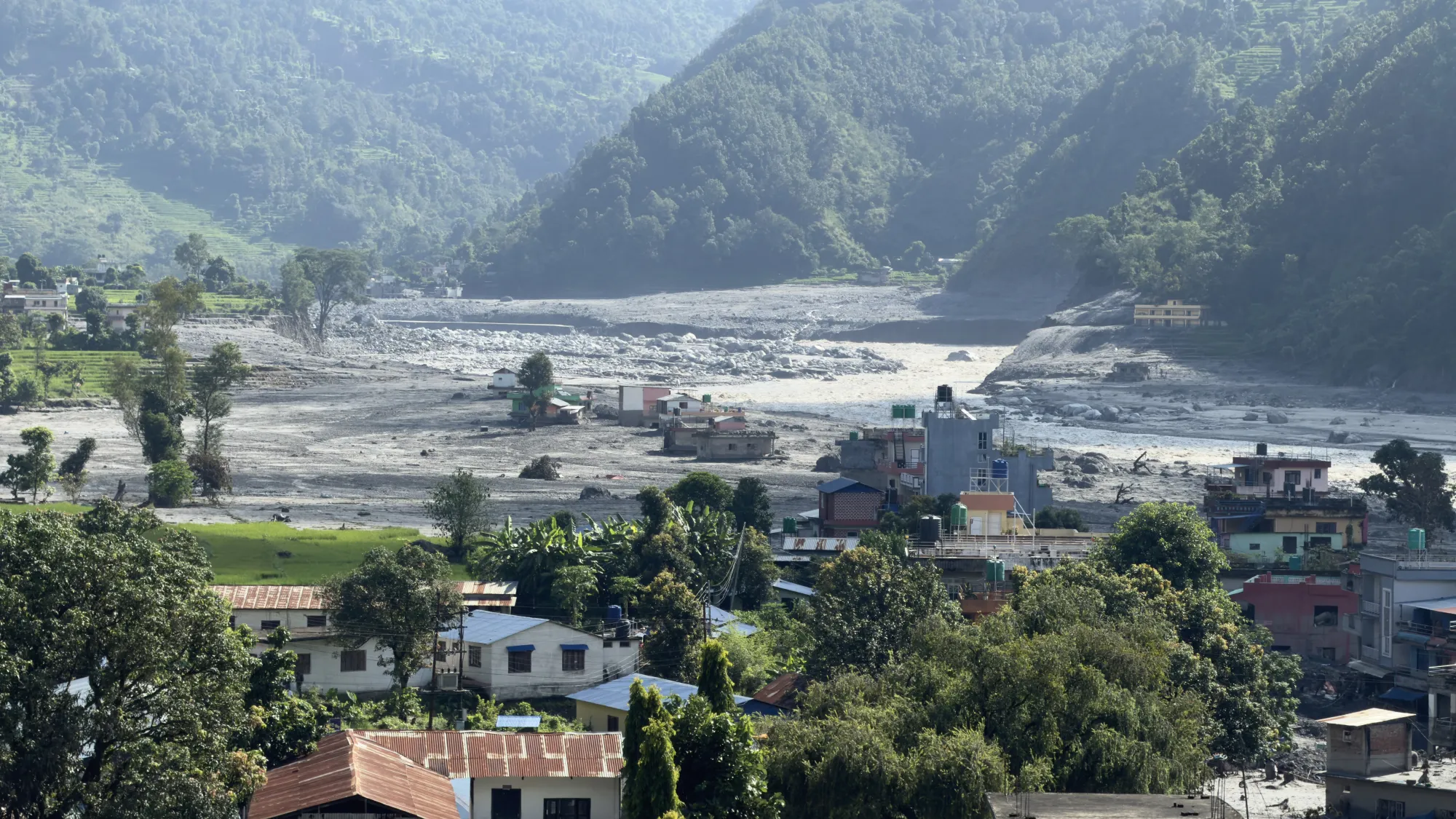
Entire community wiped out in minutes.

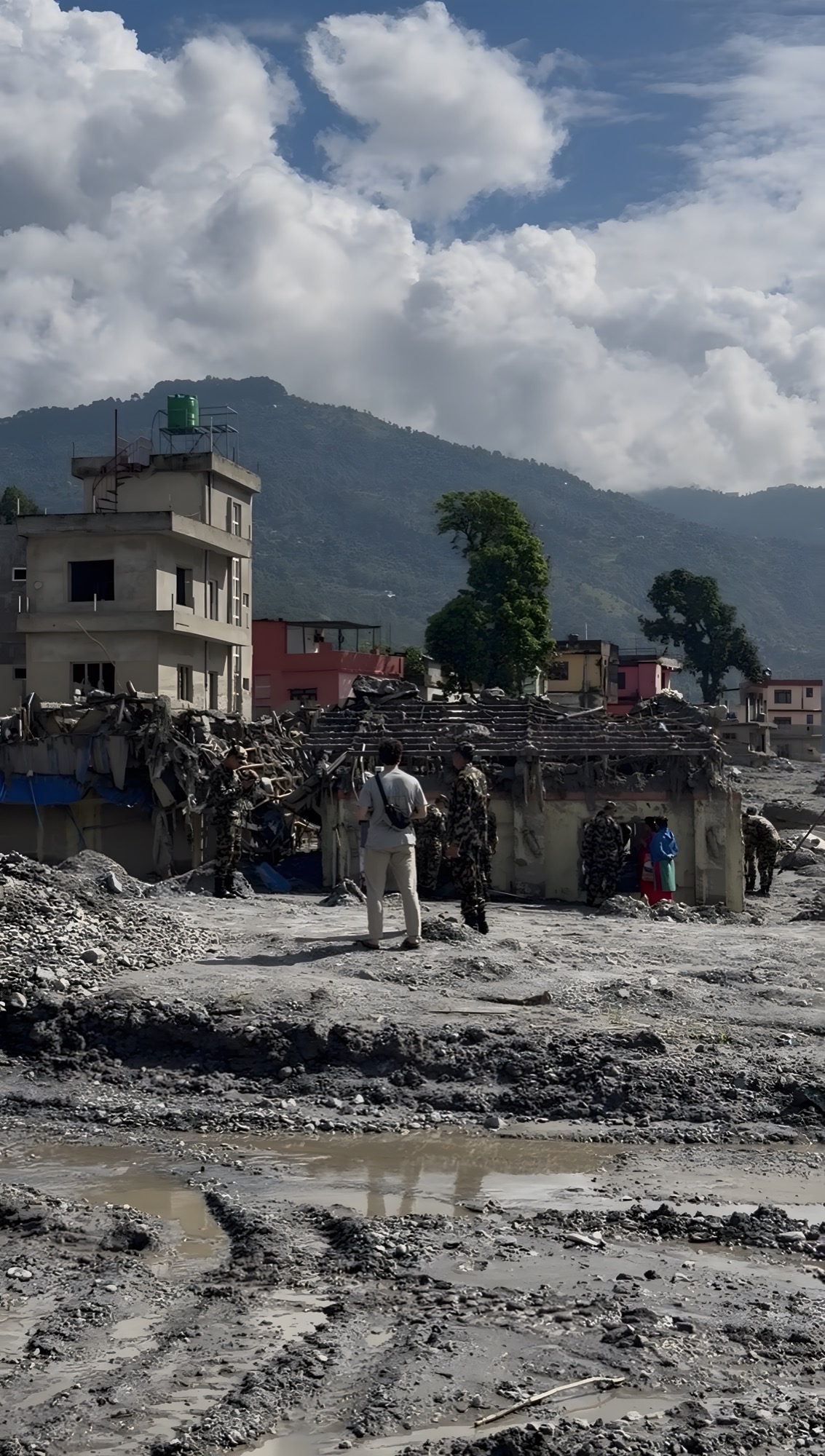
When we finally made it to the actual riverbank in Trishuli and in Tupuche, we saw the real extent of the damage. It looked more like the area had been hit by a tornado than by a flood. Aside from some buildings which remained partially intact, the majority of the riverbed was wiped completely flat with mud. A local guide showed us where the old market had been, and we talked with some local boys who, although their family was totally safe and their main house was intact, had lost their cars and their businesses in the lower sections.

The riverbank where the old market once stood
The riverbank where the old market once stood.
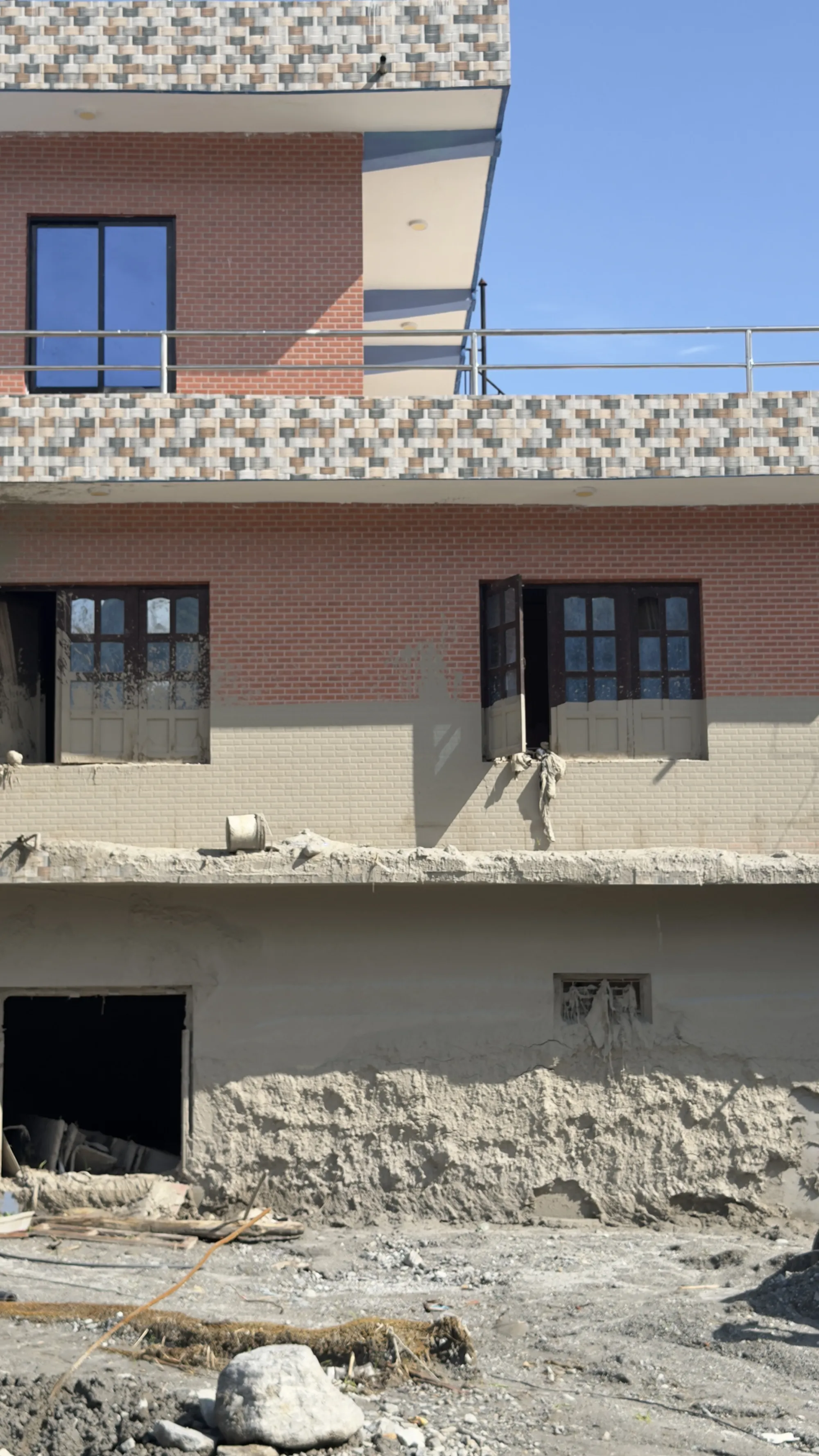
The high mud line left on a building by the flood
The high mud line left on a building by the flood.
The Road Ahead

Looking into a sustainable commitment to the victims.

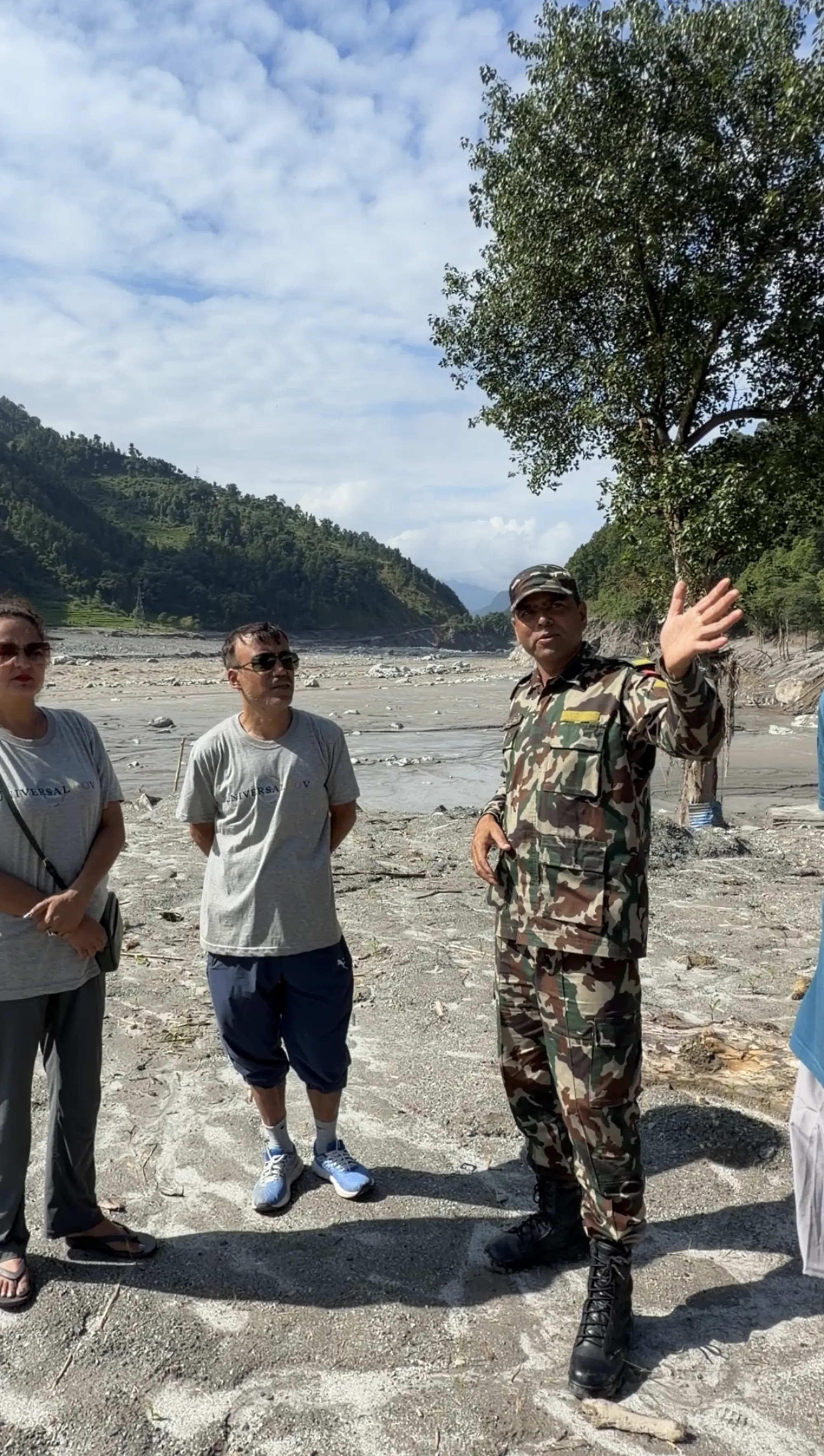
We realize that this disaster has many categories of victims, and there's no easy way to quantify who needs what and who should get what. The speed at which the relief should come is just another factor that makes this situation so complex. We talked with the army in Tupuche, and they told us about the government's plans to relocate every house to higher ground into community housing. Of course, this will take a long time, so it seems clear that the relief effort is going to require a long-term, committed presence.

We can already see how traumatized the children and local people — the victims of this disaster — really are, carrying a real fear that something like this could happen to them again. Addressing that, too, is part of what a long-term rehabilitation means for these communities: not just rebuilding what was lost, but helping people feel safe again.

Talking with the army in Tupuche
Talking with the army in Tupuche.
Speaking with the army in Tupuche
Speaking with the army in Tupuche.

“Love without any condition,
Share without any expectation,
Serve with open heart and mind,
Live every moment Truthfully.”

— Sajana Godar

Continue supporting relief efforts.

Every donation goes through PayPal directly to relief efforts on the ground.

Donate via PayPal ♥